Let the awards remain the main event
Awards evening entertainment ideas need one discipline: do not compete with the stage. Guests have come to see colleagues recognised, so the activity plan should support that experience rather than split attention.
Start by marking the windows that do not carry formal content. Arrival drinks, the move out of the dining room and the period after the last award are usually more valuable than anything during dinner.
Use entertainment as a change of pace
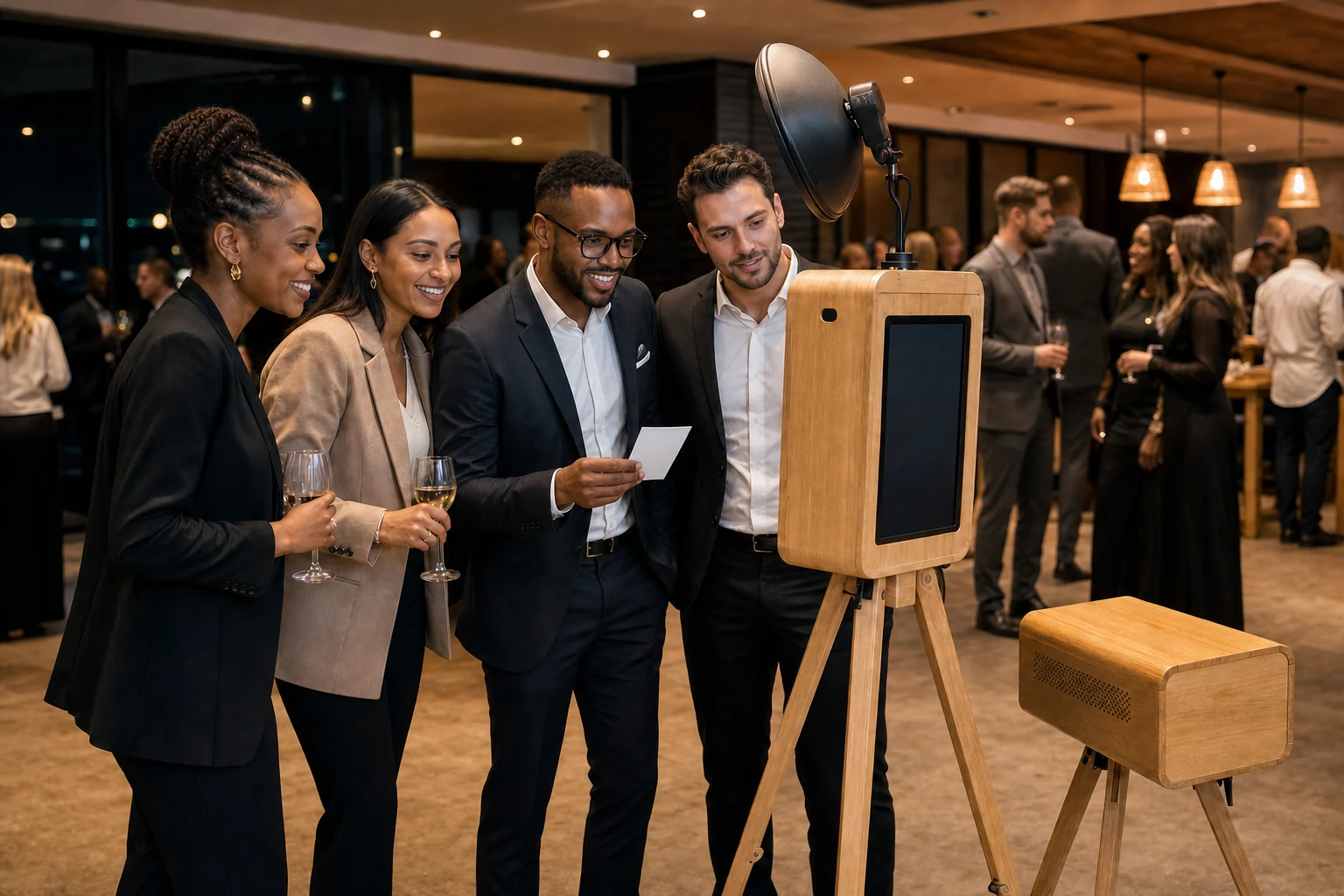
An awards dinner often has long seated sections. Once the presentations end, guests need a reason to stand, congratulate one another and reset before the room becomes more social. A live musical change, a concise host-led prompt or a portrait station can give that transition shape.
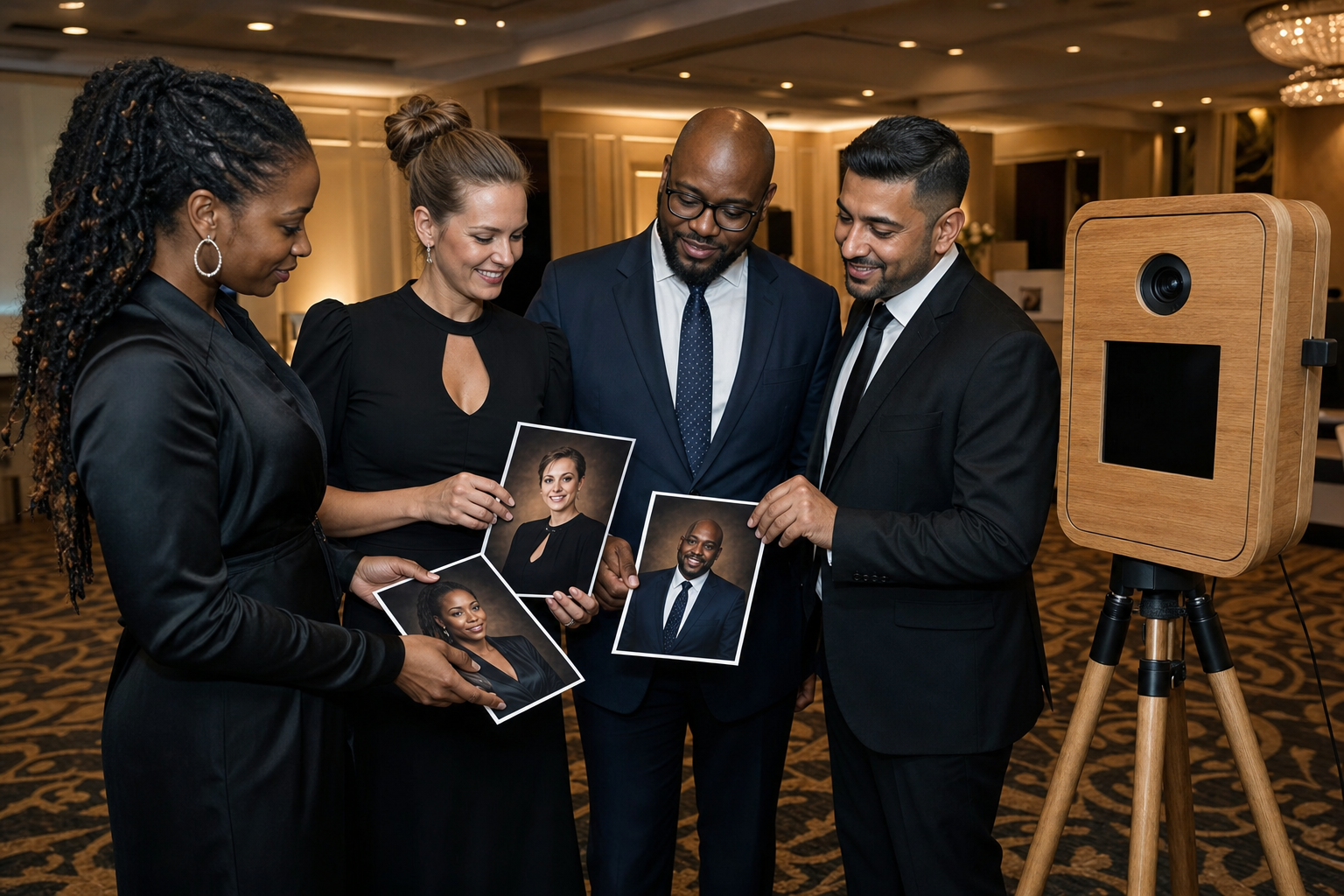
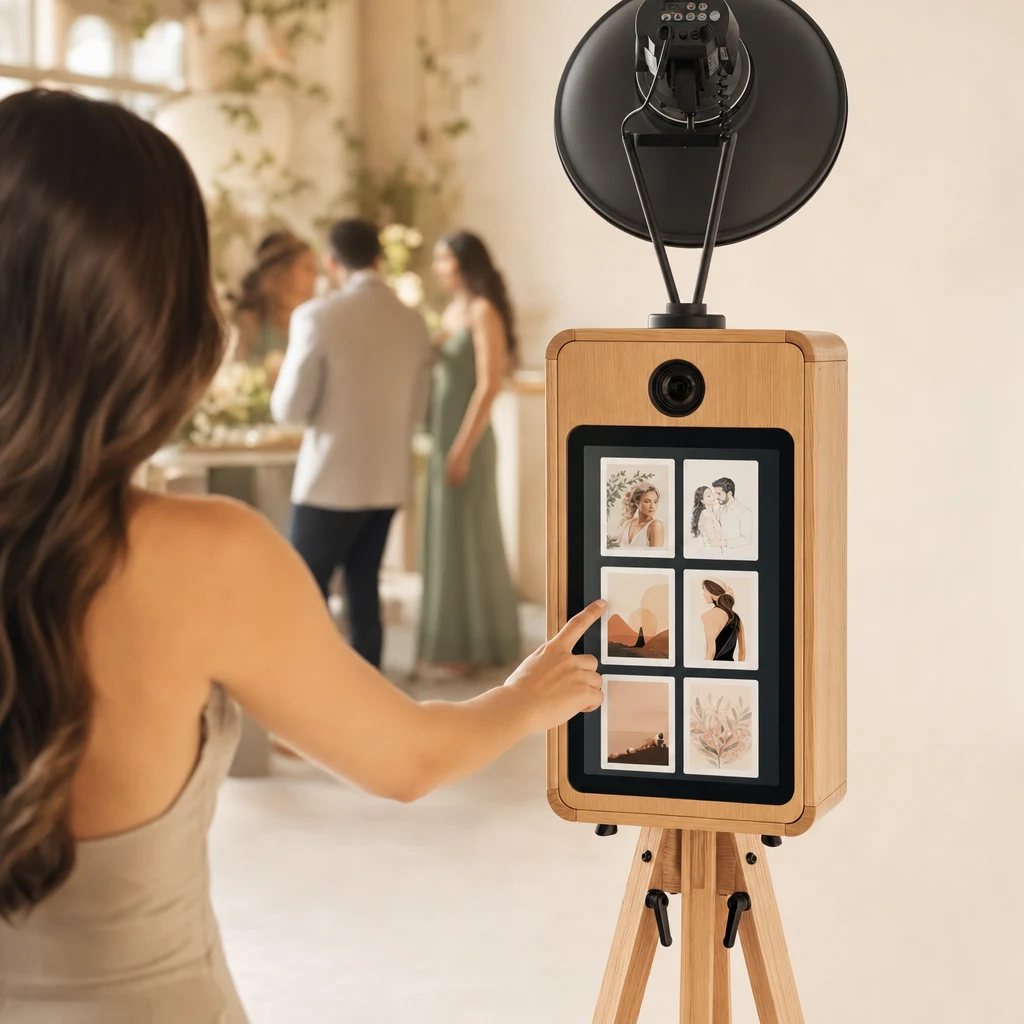
For a branded keepsake that does not feel like a giveaway, a corporate AI photo booth can be set up near the social area. Keep the style direction aligned with the evening’s dress code and awards theme. The branded portrait guide explains the approval choices worth making before event week.
Keep the floor plan clean
Place any entertainment away from the stage sightline, service doors and the route to the bar. A good-looking setup that creates a queue beside the dining tables becomes a frustration quickly. Agree the operating point with the venue before the programme is finalised.
Match the formality of the room
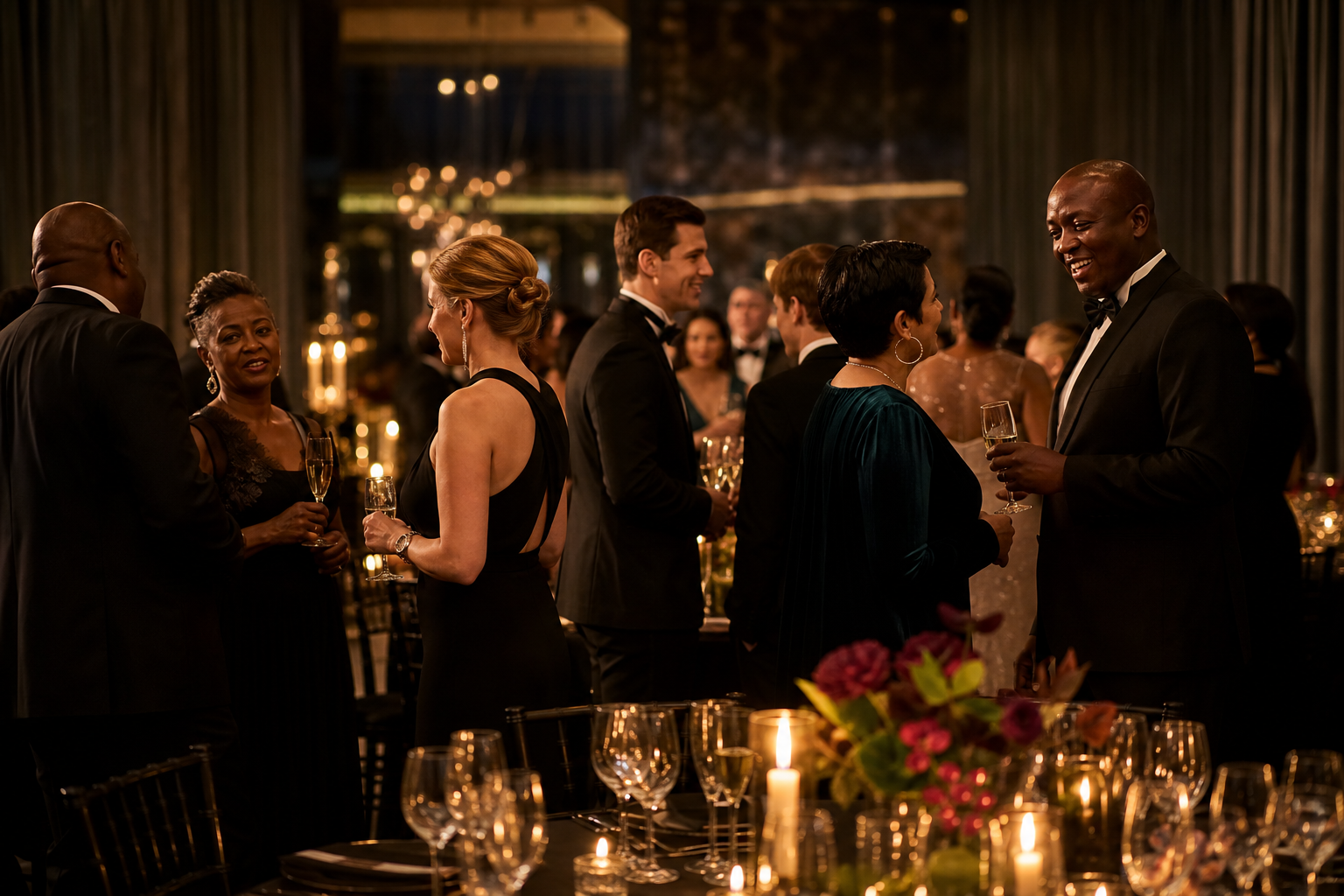
An awards evening does not need to be stiff, but it does need coherence. Choose a visual direction and music level that fit the company and audience. Guests should feel they are taking part in the same event as the awards, not walking into a separate activation.
For premium corporate venues and client-facing dinners, the Sandton location page provides the most relevant local booking route. Put the final programme, guest estimate and decision-maker in the supplier brief so the event can adapt if awards run late.
The practical test
The idea is right when it works for someone who has won an award, someone who did not, and a guest who simply wants a good conversation. Keep it optional, easy to understand and genuinely useful in the gaps around the event’s main story.