A brand activation strategy template is useful when the team has a campaign to take into an event but has not yet agreed what the audience should do. Start with one outcome, name the people who matter to it and describe one guest action. Then test a format against the programme, site rules, approvals and a measure the team can actually record.
This guide is for brand, marketing and event teams preparing an in-person activation brief. It gives you a practical template to complete before comparing creative ideas or asking suppliers to scope a format.
Brand activation strategy template
Copy these prompts into a working brief. Write a short answer for each field, mark assumptions clearly and assign an owner to anything the team still needs to confirm.
- Campaign reason: What changed, why is an activation useful now, and what business or communication outcome should it support?
- Priority audience: Who is the main audience for this moment, what do they already know, and what context affects their participation?
- Desired guest action: What is one useful thing a guest could do, learn, try, discuss or request during the experience?
- Guest exchange: What will the guest receive or understand in return for the time, attention, image or information they choose to share?
- Format to explore: Which event format could make the intended action easy to understand? Record alternatives and why each may fit or fail.
- Budget and scope: Record the approved budget or range, what it needs to cover, exclusions and costs still to be confirmed. Name the person who approves changes to the scope.
- Event conditions: List confirmed date, site, programme window, access rules, space plan, technical needs and venue approvals. Mark every unconfirmed detail.
- Brand and content rules: Attach approved messages, visual guidance, product claims, mandatory wording, image-use rules and anything the creative team must not change.
- Owners and approvals: Name the decision maker, approvers, supplier contacts, approval dates and the person who resolves conflicting feedback.
- Measurement: Define one primary signal, its counting rule, data source, owner and available baseline. Add a secondary measure only when it answers a different question.
- Permissions and follow-up: State what participation includes, what is optional, what information or content is collected, who can access it and who owns the next contact.
The template is a decision record, not a prediction. If the objective, site rules, permissions or measurement method are still unknown, leave the field open and assign someone to confirm it before the creative or supplier scope is approved.
Start with the campaign outcome
Write the reason for the activation in a sentence a guest-facing team could understand. “Increase engagement” is too broad on its own. Clarify whether people should notice a launch, understand a feature, try a sample, talk to a product specialist, contribute an idea or request a follow-up.
Choose one primary audience for the event moment. A retailer, journalist, existing customer and passer-by may need different explanations and next steps. If the campaign serves several groups, identify the priority group first and note how the experience should work for the others.
Define the action before you choose the idea
Describe the guest action with a clear verb: watch, try, compare, ask, create, share or request. Then check that the action fits the time available in the programme and that a guest can understand what taking part involves.
The exchange matters too. Explain what the guest gets from participating, whether that is useful product information, a sample, a conversation or an optional personal output. Do not ask for contact details or public sharing as a hidden condition of joining. If the activity choice is still open, use these interactive brand activation ideas to compare formats after the objective and action are written down.
Check the real event conditions
An idea that sounds clear in a planning meeting can become difficult at a specific site. Add the confirmed event date, live hours, programme sequence, site permissions, access window, floor plan, power or connectivity needs, staffing responsibilities and fallback owner. Ask the venue or event organiser to verify rules that have not been approved yet.
Map the guest path from arrival to the next programme point. Make room for people who want to watch before joining, those who want to leave quickly and the staff who need to answer questions. If a queue, demonstration or registration step could interrupt another event moment, name the person who can adjust the flow.
Set the approval path
Put approved product facts, brand assets and required wording in one place. Identify who checks product claims, artwork, image use, privacy wording, venue submissions and final guest instructions. Include the due date for each approval and the final decision maker.
Do not ask a supplier to fill in an unapproved claim or invent a campaign detail. Keep open questions visible in the brief so creative concepts can be reviewed against what the team has actually confirmed.
Choose a measure that answers the campaign question
For each objective, identify one observable signal and write down exactly what counts. A product-learning objective might require a defined knowledge check; a trial objective might use a record of completed trials; a conversation objective might require a short, agreed conversation log. These are examples for teams to adapt, not guaranteed event outcomes.
Name where the measure will come from, who will collect it and when it will be reviewed. Record a baseline if one is available. Keep the number of people who pass an activity separate from permission to contact them later, and separate both from image or content approval.
Plan the handoff after the event
Before invitations go out, agree who receives questions, approved content, opted-in follow-up requests and any post-event report. Write the next step in language the guest will recognise. If the activation does not need a lead form, say so; a useful event interaction can still serve the campaign without collecting personal details.
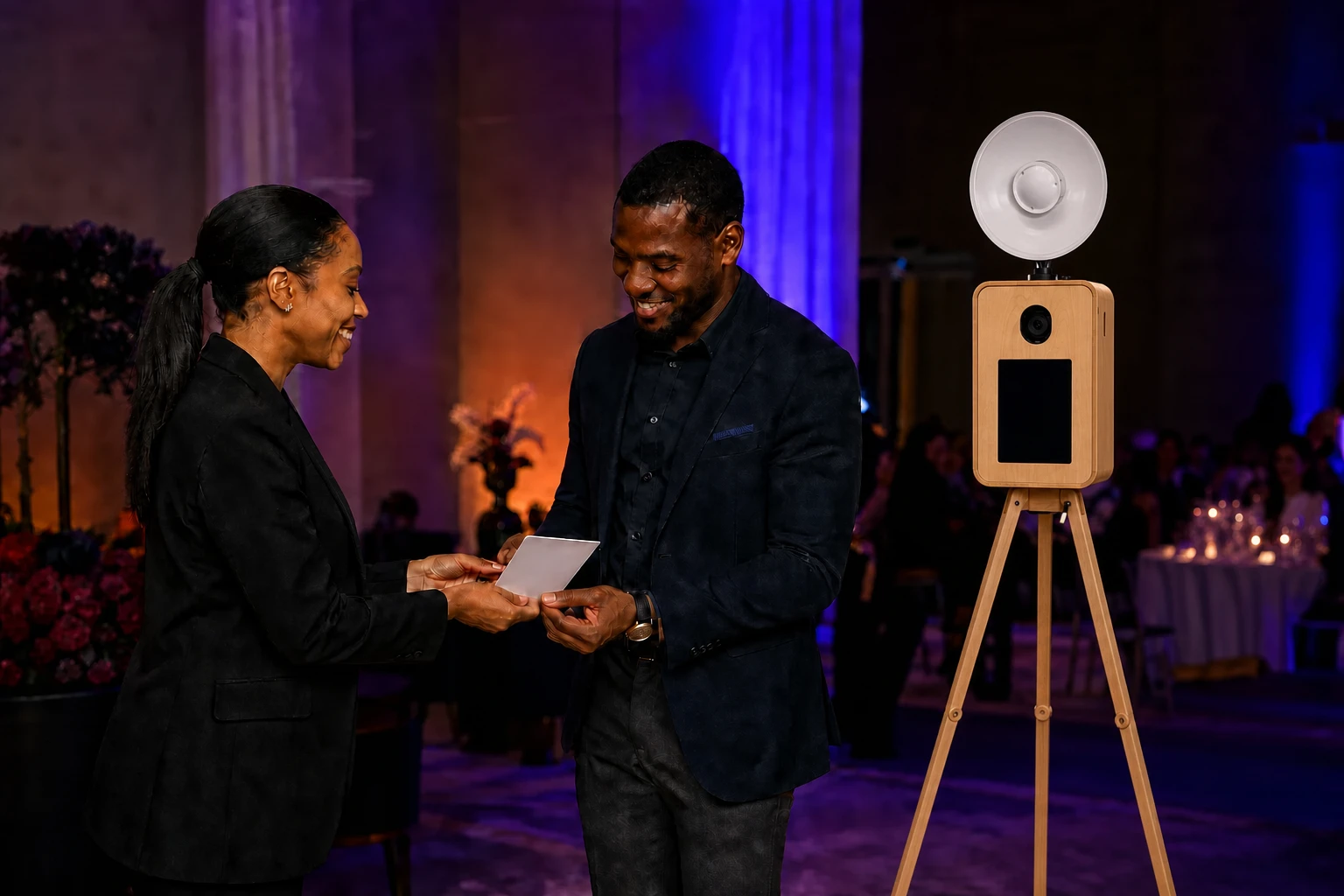
If an AI portrait experience fits the approved campaign idea, review the AI Booth brand activation service and confirm its current scope, outputs and event requirements against the actual brief. The privacy and consent guide for AI photo activations covers the separate decisions around portrait delivery, image use and optional follow-up.
Review the brief before selecting a supplier
Read the completed template from the guest’s point of view. Can they understand the invitation, the action, the value of joining and what happens next? Can each supplier see the approved scope, the decisions they own and the site information they still need?
Once the answers are clear, compare concepts by audience fit, message clarity, event flow, feasibility, approvals and measurement. A completed brand activation strategy template keeps the campaign job, delivery owners and follow-up in the same brief. To discuss whether AI Booth fits a confirmed event brief, share the campaign, audience, venue and programme window.