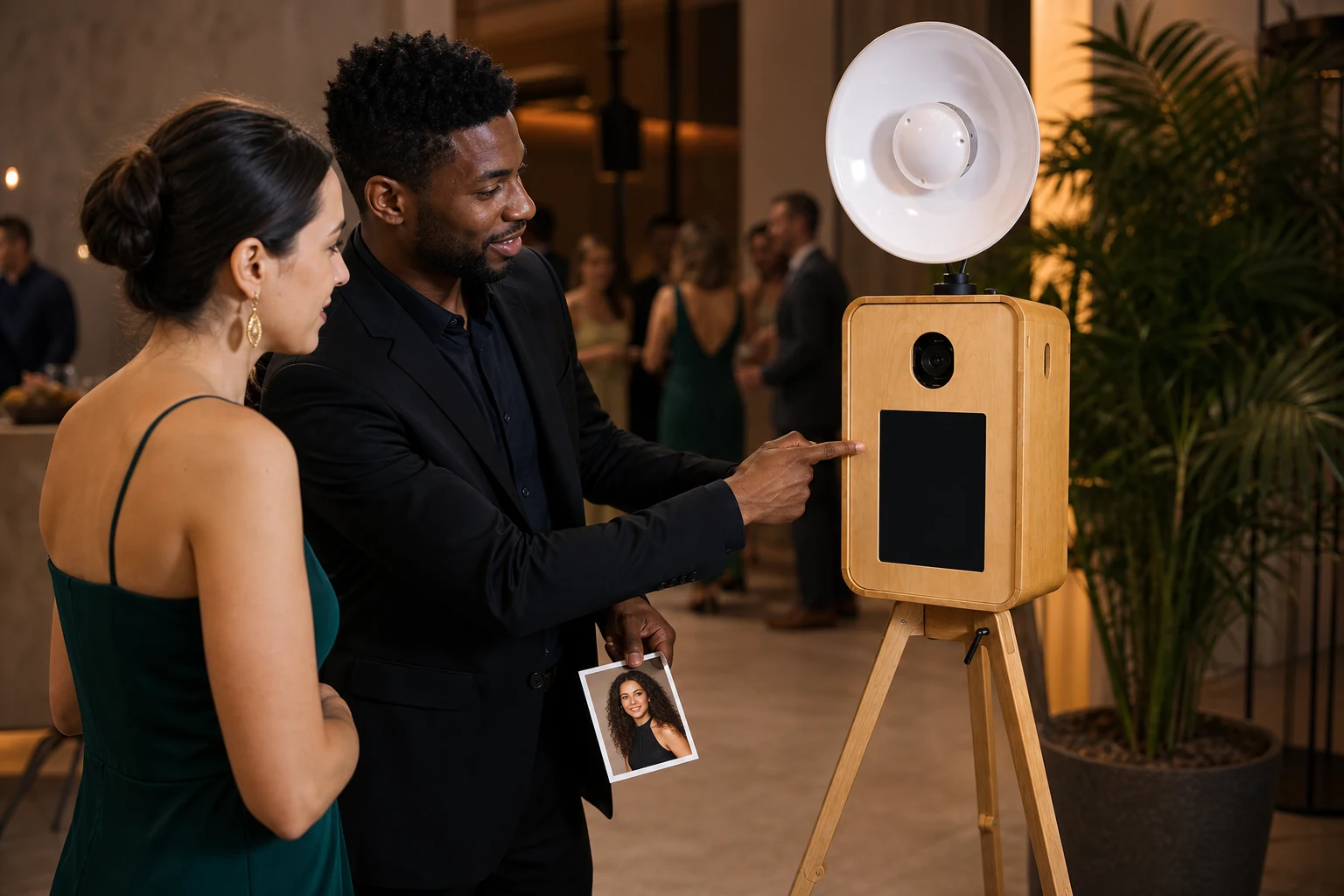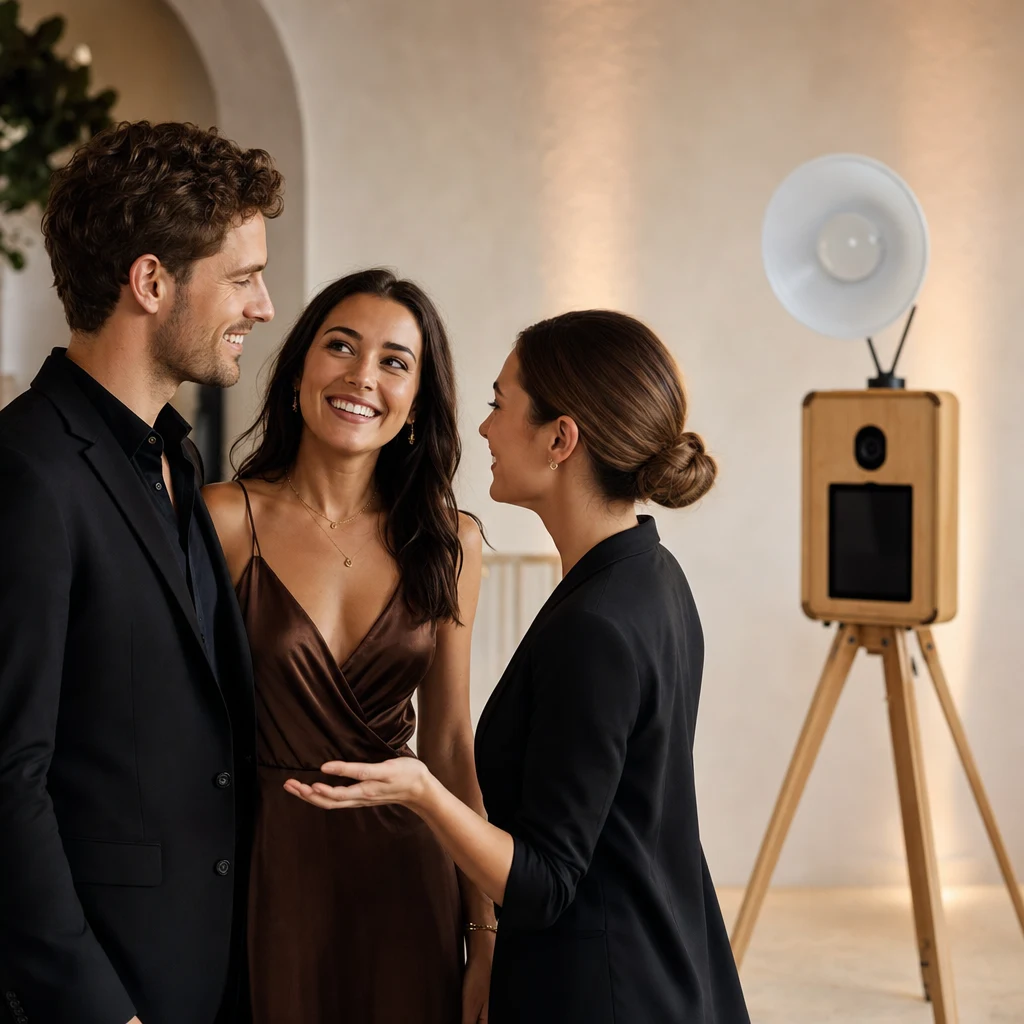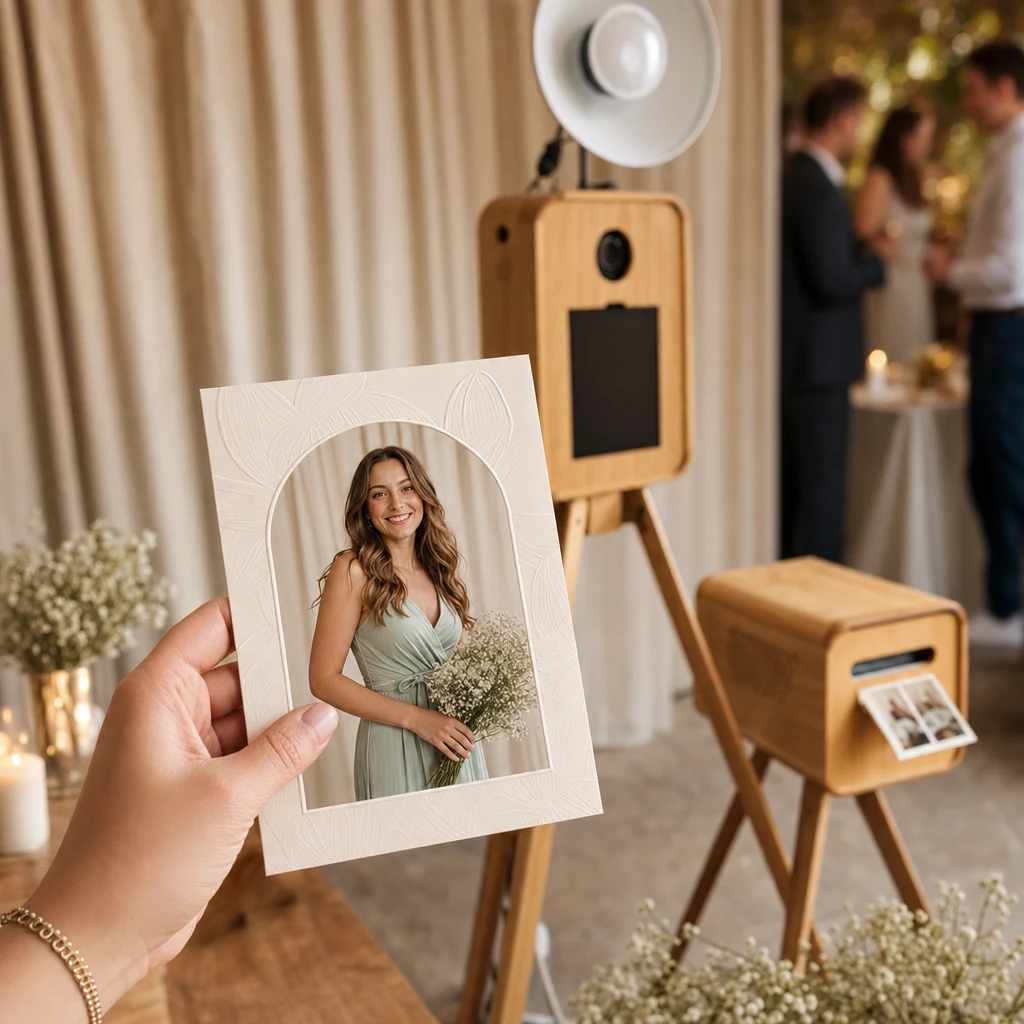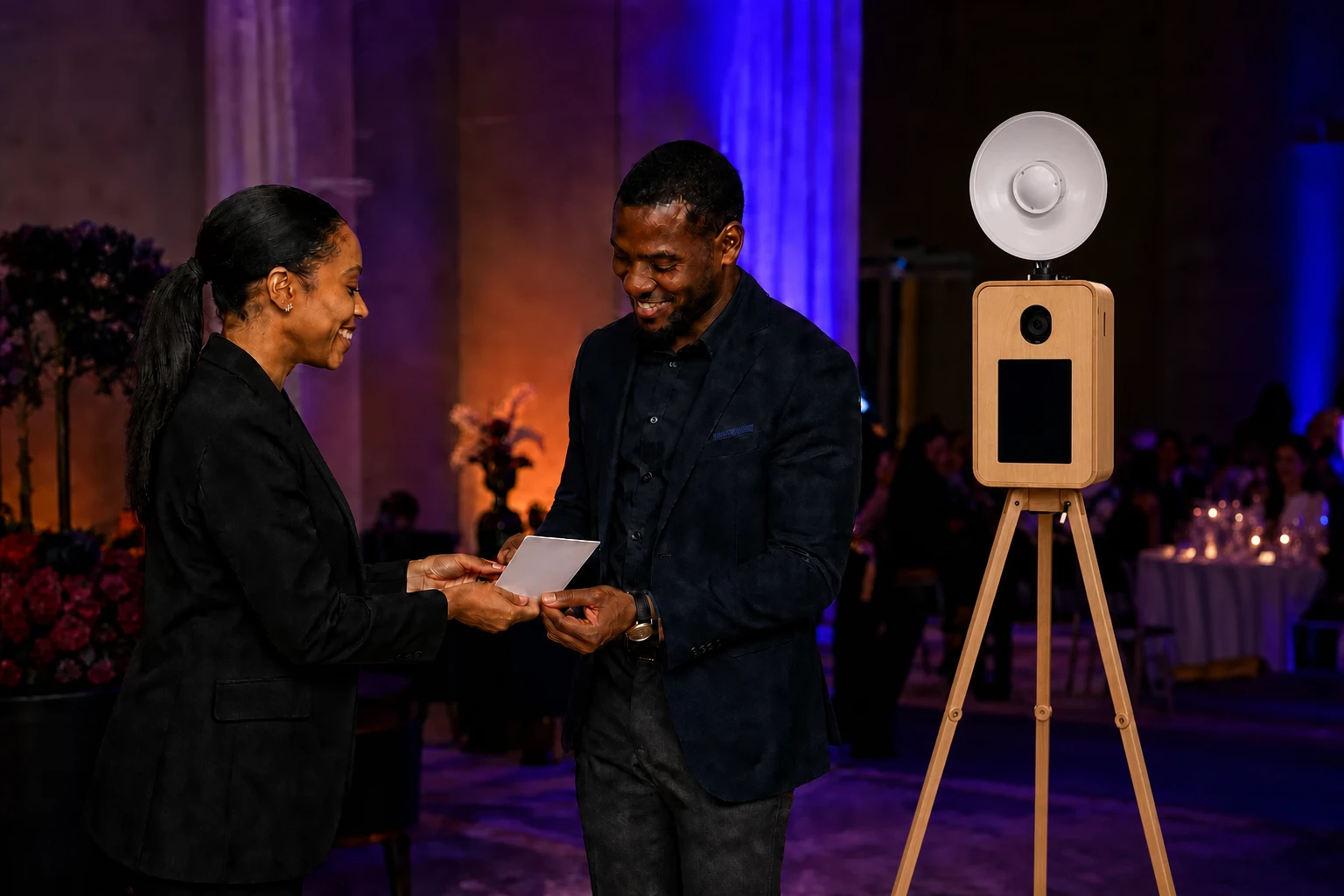
The strongest interactive ideas give a guest a meaningful choice and a result they can understand before joining the queue. For AI portrait activations, that means the transformation should express the campaign idea, not simply place a logo beneath a generic picture.
1. Step into the campaign world
Turn the campaign setting into a portrait universe. A travel brand could offer distinct destination moods; a property launch could imagine guests inside the lifestyle of a new precinct; a technology campaign could use several carefully art-directed visions of the future.
Keep the menu small enough to understand on the front screen. Test every route across varied faces, skin tones, hair and clothing before it reaches the stand.
2. Past, present and future portraits
Invite guests to choose an era linked naturally to the brand story. A heritage business might use a refined historical treatment alongside a current and future-facing version. The point is not novelty costume for its own sake; each era should reveal something about the campaign.
Avoid stereotypes and make sure wardrobe or cultural references have been reviewed by the appropriate brand team.
3. Find your campaign archetype
Build a short selection of roles that reflect the product benefit: explorer, maker, strategist or visionary, for example. The guest chooses the identity that feels closest to them and receives a portrait shaped around it.
This works well when the roles are flattering and open, not a disguised personality test. If the activation makes a recommendation or claim about the guest, have the wording approved.
4. Local worlds with specific relevance
A South African campaign can draw on recognisable places, seasons or creative movements without turning them into clichés. Johannesburg architecture, Highveld light or a considered local fashion direction can create a stronger connection than an anonymous global sci-fi background.
Specificity needs research and respectful art direction. Do not use cultural dress, symbols or communities as decorative shorthand.
5. Product-led transformations
Let the product change the visual world around the guest. Colour, material, movement or use case can shape the portrait while the person remains the subject. This is more memorable than adding a pack shot after the image is generated.
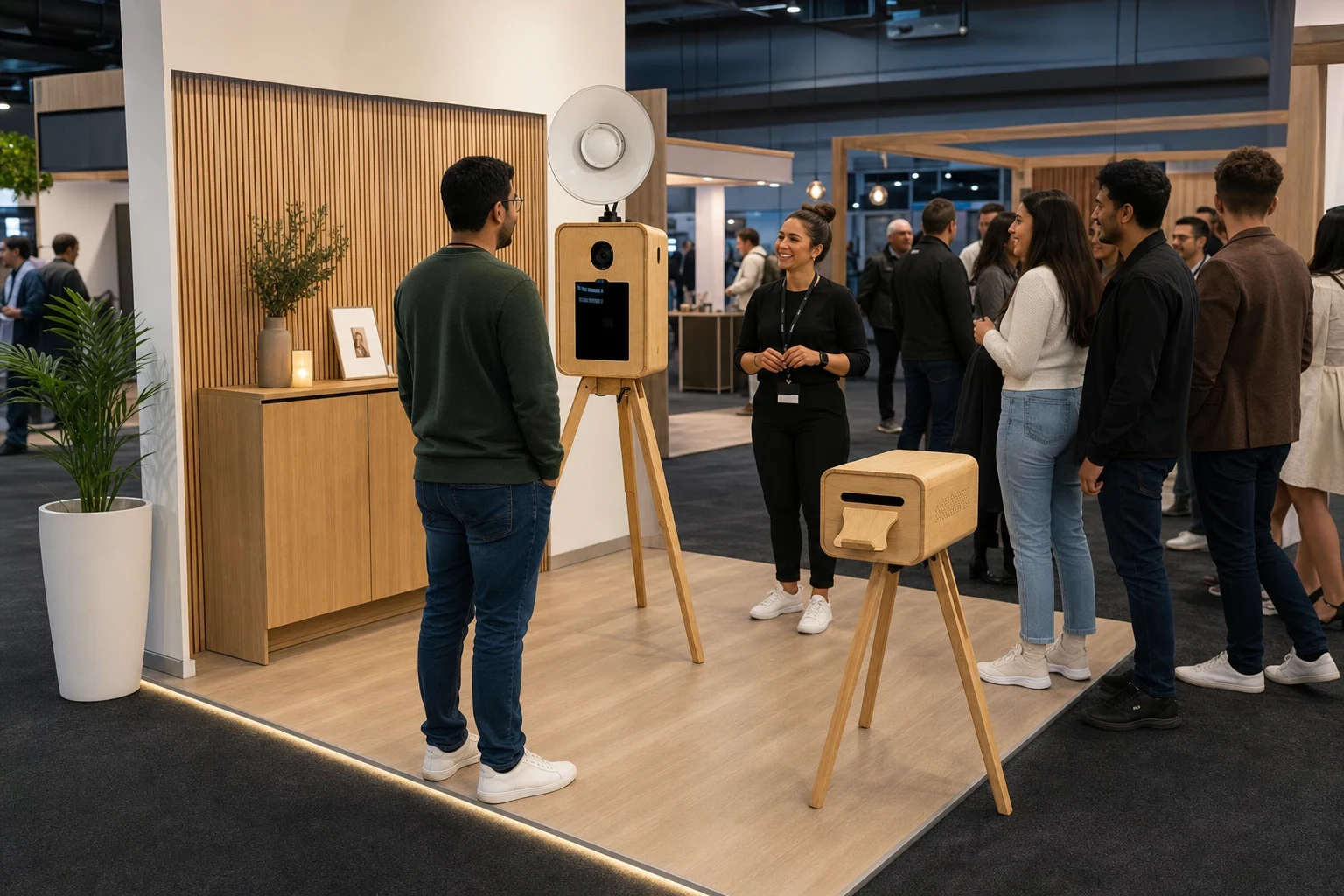
For a launch, time this experience around the formal reveal so it supports rather than competes with the programme. The expo and product launch guide separates those two operating environments.
6. A portrait series that grows through the day
Use a consistent visual system so individual portraits become a campaign collection. With the right permissions, selected outputs might feed a controlled event display or internal recap. Public display, galleries and social reposting require explicit planning; they are not automatic parts of portrait delivery.
7. A useful branded keepsake
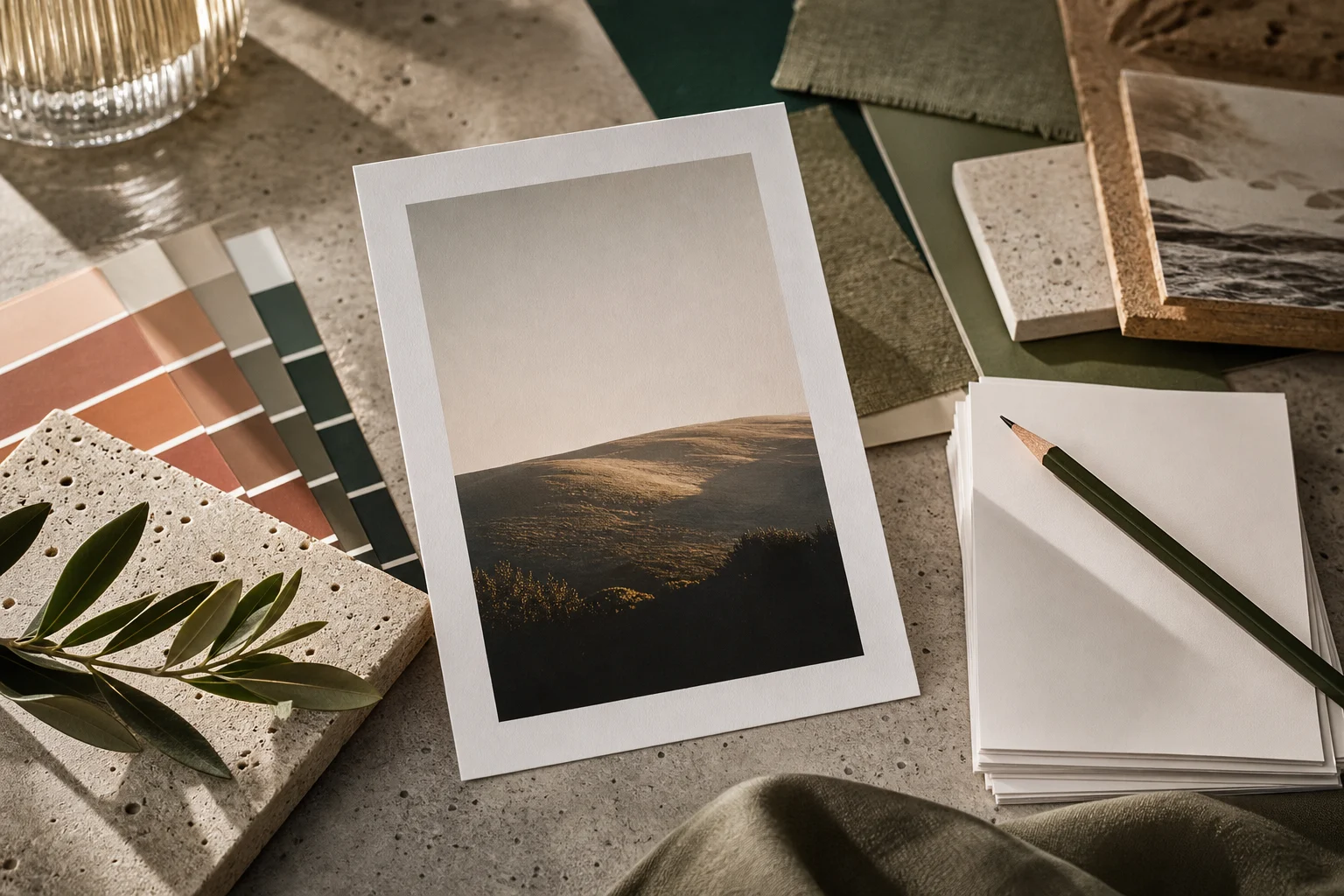
Design the final 4 x 6 inch print as an object guests will keep. A strong portrait, restrained campaign signature and short line usually work harder than dense promotional copy. Follow the branded print proof checklist for contrast, glare and physical testing.
When another format is more suitable
AI portraits are not the answer to every brief. Use product sampling when tasting or trying the product is the main objective. Use a collaborative installation when the growing public object matters more than an individual output. Use a skill game when visible competition is central and the audience is comfortable performing.
| Objective | Format to consider | Main planning pressure |
|---|---|---|
| Personal identity and a keepsake | AI portrait activation | Creative testing, guest flow and delivery |
| Product trial | Guided sampling | Stock, hygiene and choice clarity |
| Shared public outcome | Collaborative wall or installation | Moderation, space and contribution rules |
| Competitive energy | Short game or challenge | Accessibility, reset time and spectators |
AI Booth specialises in hosted AI portrait activations, not 360 or magazine booth formats. Its front screen lets guests choose an approved style before the camera captures their portrait. A campaign-specific custom style starts at R750, with the final creative scope agreed from the brief.
Whichever idea you choose, settle the guest promise, data choices, operating window and owner for approvals before production begins. The full AI photo activation workflow shows how those decisions move from concept to live event.