Protect the formal rhythm
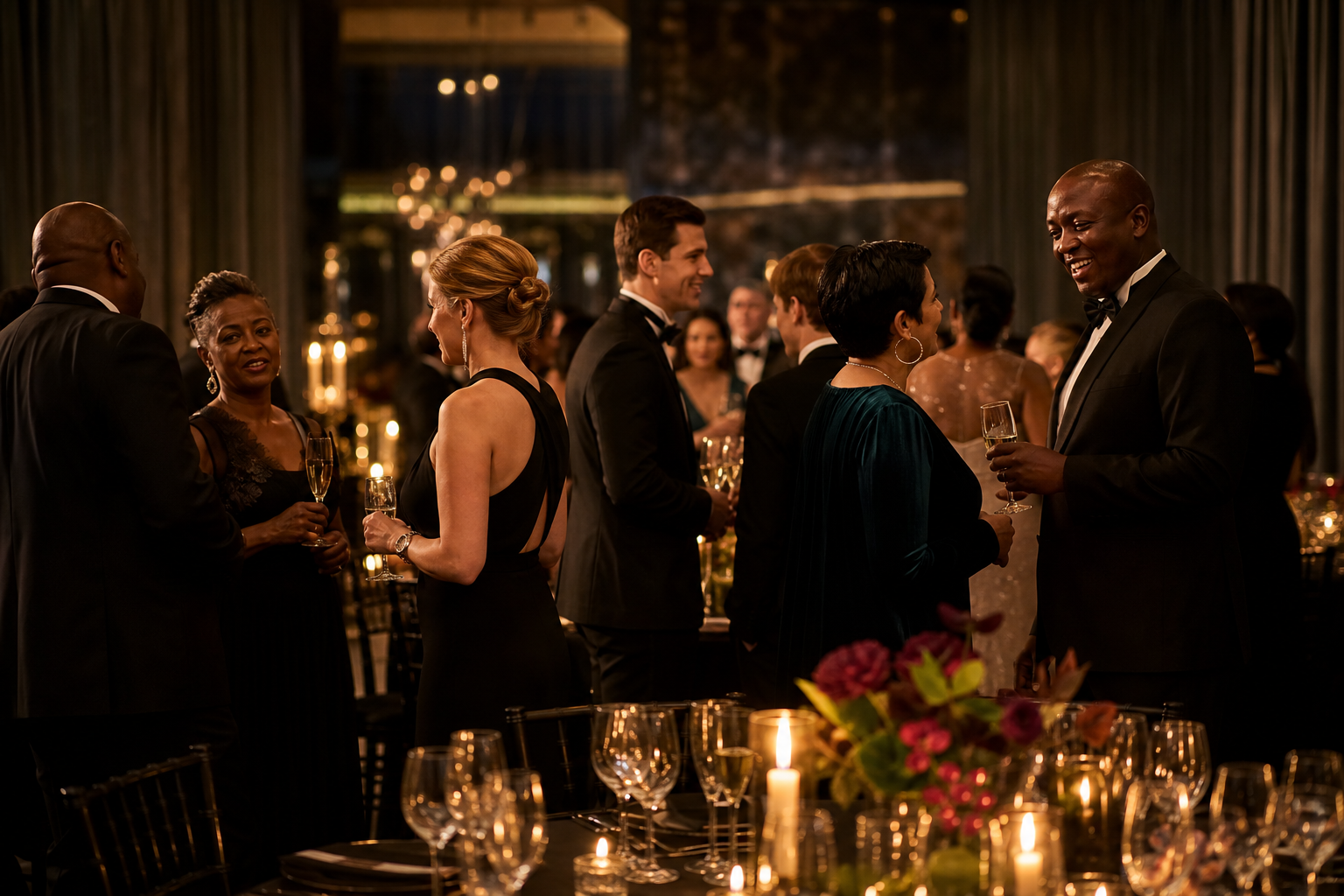
Gala dinner entertainment has to respect the room. Guests may be there for a cause, recognition programme, client relationship or annual celebration. The dinner, host and stage moments come first.
The most useful entertainment therefore sits at the edges: a strong arrival atmosphere, a post-formal social reset and a closing moment that gives people a reason to linger.
Choose a format that fits a dressed-up room
An elegant music cue, a refined portrait experience or a well-produced short performance can feel at home in a gala setting. A novelty that needs shouted instructions, props scattered around a table or constant crowd participation usually will not.
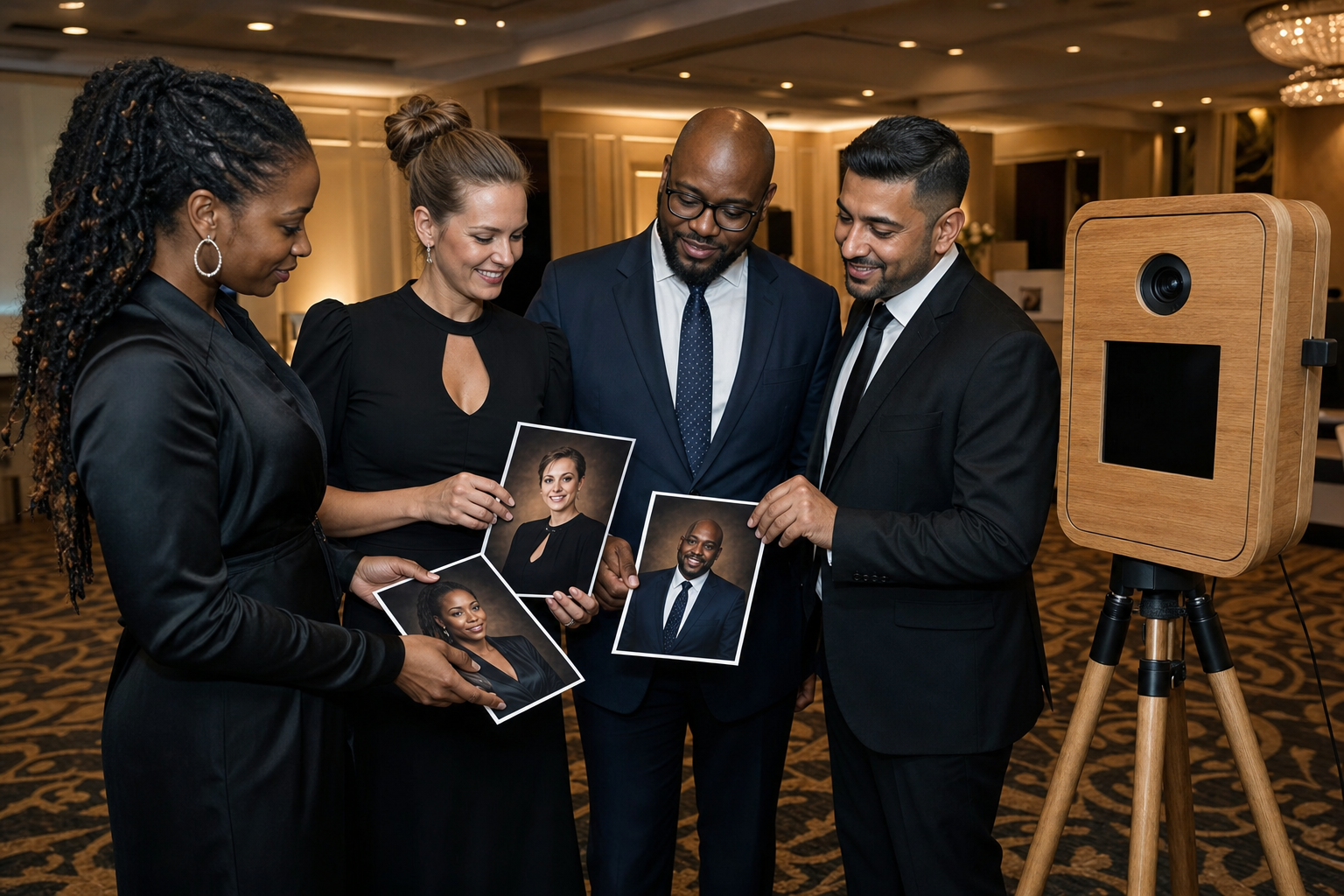
For a guest keepsake that can stay polished, a corporate portrait booth can offer a small, approved style menu and prints. The important question is whether the visual direction fits the invitation, room design and dress code.
Treat the floor plan as part of the entertainment
Do not place sound, queues or bright screens where they disrupt the stage or dining tables. Give the supplier a confirmed access time and floor position. Give the event manager a clear pause plan around speeches and service.
The same discipline applies to live acts: confirm their technical needs, changeover time and where guests can stand without blocking staff.
Use the social period well
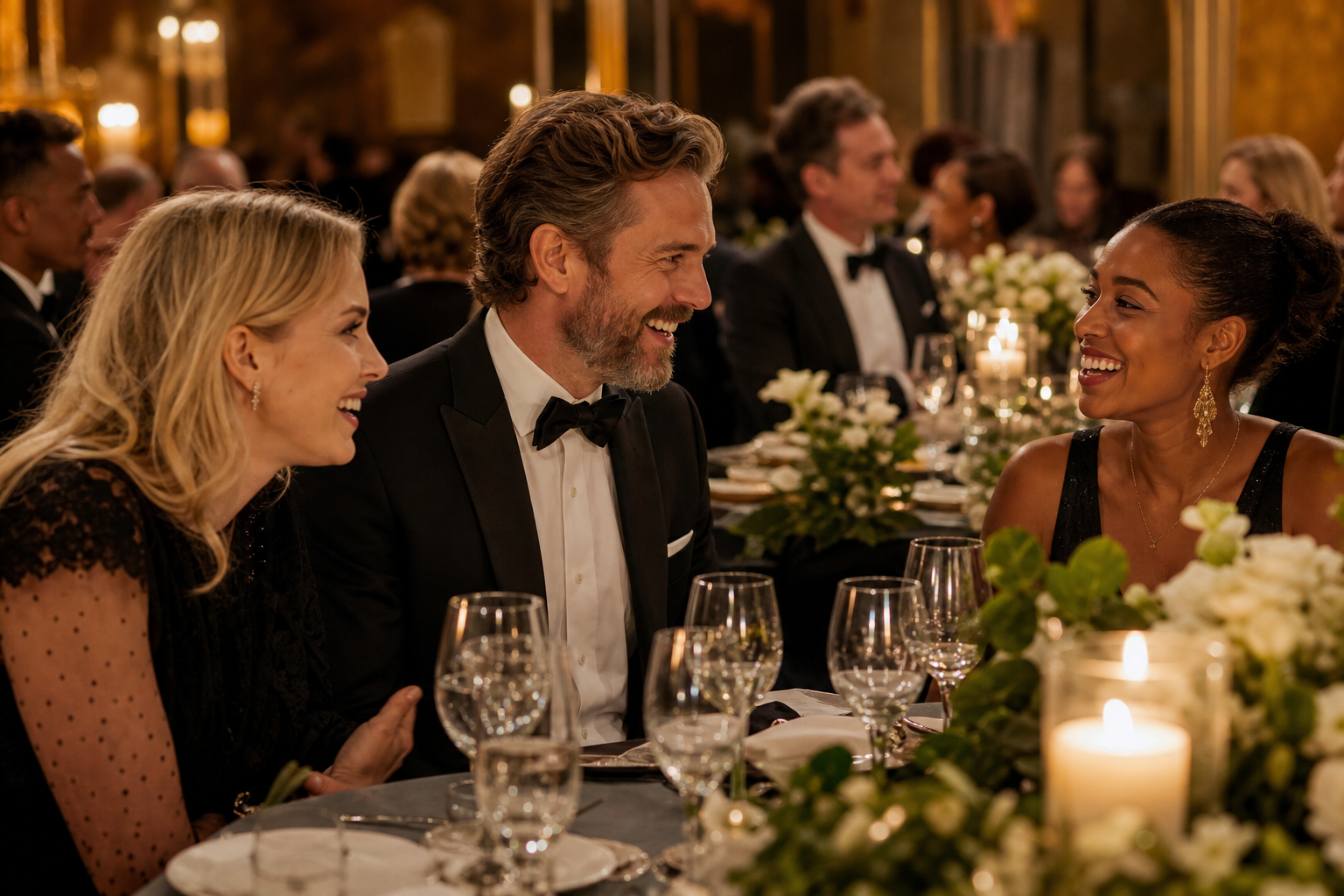
After the final course or programme, people want to congratulate hosts, reconnect and take a breather. That is a good moment for an optional activity. The awards evening entertainment guide has a similar approach to moving a formal room into the social part of the night.
Keep the host free to host
The entertainment is working when it gives guests an experience while the host can still look after sponsors, speakers and VIPs. A gala dinner should feel effortless from the room, even when the planning behind it has been precise.
The three decisions to settle early
Confirm the formal programme timing, the supplier access window and the desired close before approving the entertainment. Then name one person who can decide whether an activity pauses, moves or ends early. That small amount of authority matters more than a complex contingency plan, especially when dinner service or speeches run long.