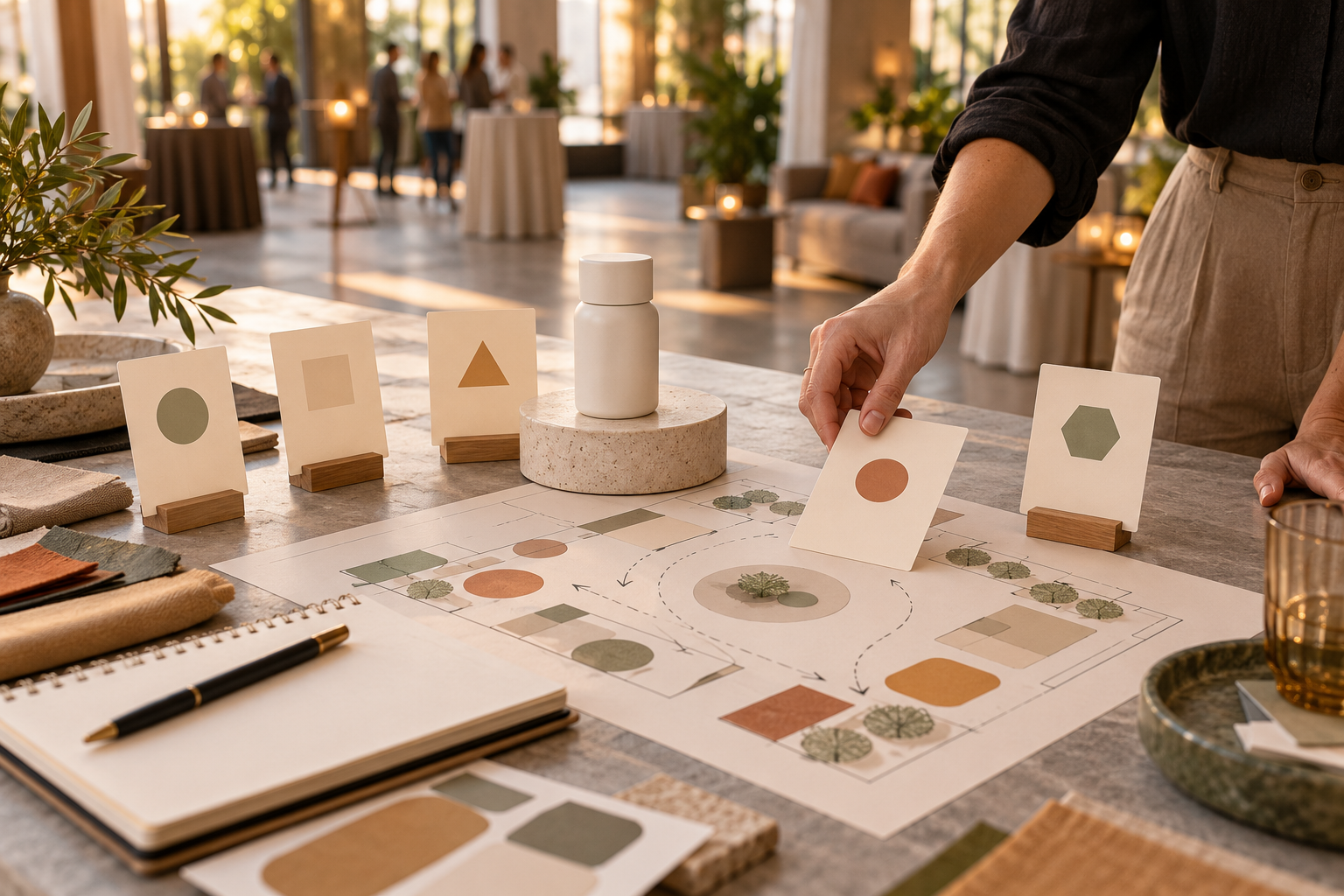
Product launch event activities should help guests do something the campaign needs: understand a product, try it, discuss it, create an approved asset or take a clearly explained next step. Choose that behaviour first. The activity format comes second.
This guide is for brand, marketing and event teams deciding which interaction deserves space in a product launch programme. It focuses on that choice and the planning trade-offs around it. If the format is specifically a social evening, the guide to product launch party ideas covers the reveal and party experience.
Match the activity to the campaign job
Write one line before you compare ideas: “After this activity, the right guest should be able to ______.” If the answer has several unrelated actions, narrow it down. A product demo, content moment and lead form can sit at the same event, but each needs a clear role and owner.
Help people understand the product
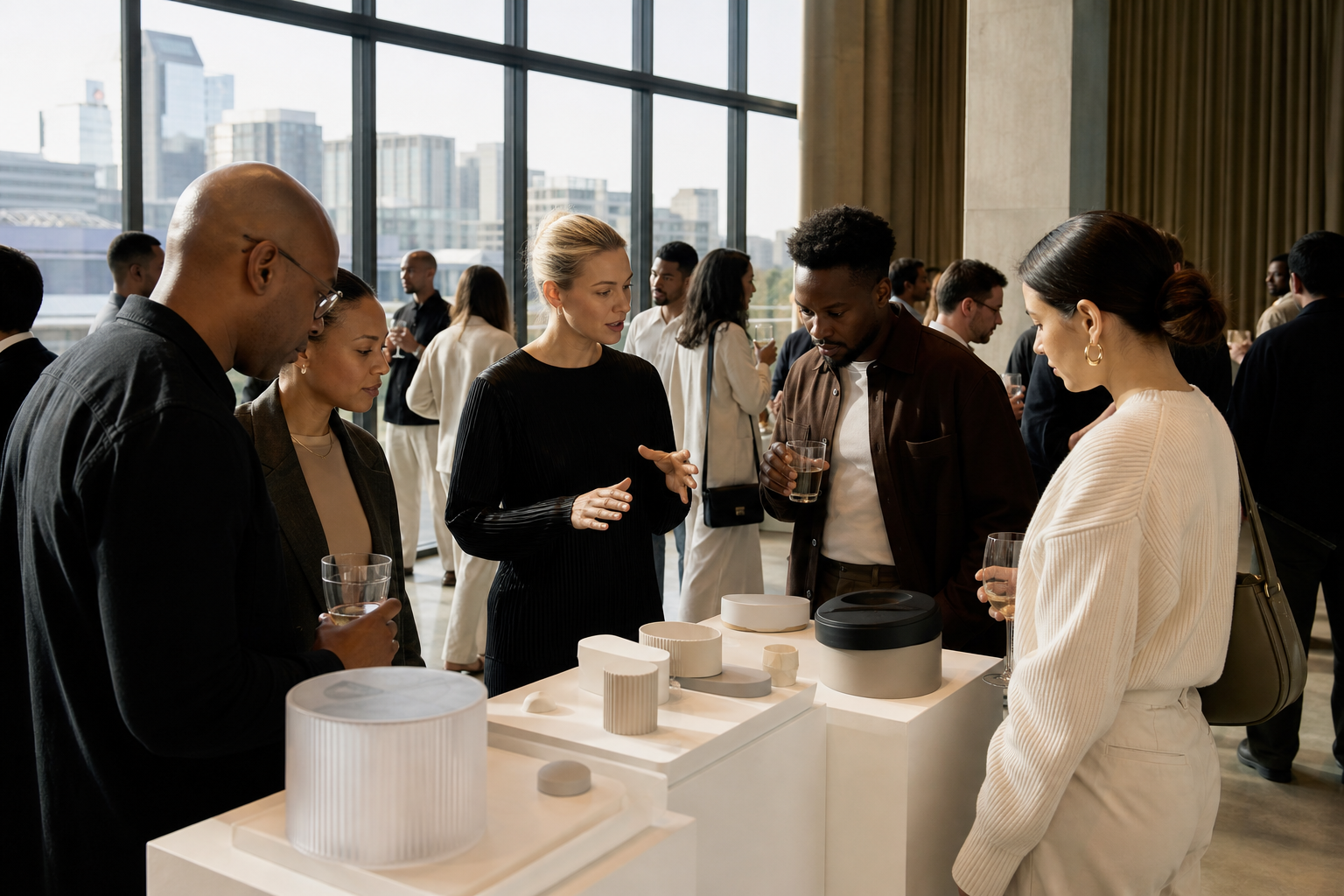
Use a short demonstration, guided walkthrough or question-led product station. Before you commit, name the person who can explain the product accurately and check that guests can see and hear without blocking the room. A useful signal might be the questions people ask or the next demonstration they request.
Let people try or compare
A guided sample, controlled trial or side-by-side comparison can make a product easier to assess. Confirm handling, replenishment, safety requirements and time per guest with the product team. Agree how trial participation or feedback will be recorded before launch day.
Start relevant conversations
Try a hosted prompt, small-group discussion or partner conversation when introductions are part of the campaign job. Decide who is hosting, which audience should meet and how people can join or leave comfortably. Record useful conversations only through a method the event team can actually maintain.
Make the campaign story visible
A reveal, hands-on display or visual interaction can reinforce the product story. Check that the concept and claims are approved, that the experience is accessible, and that it does not compete with the main reveal. If learning is the goal, decide how the team will tell whether guests understood the point the activity was meant to make.
Create a shareable output
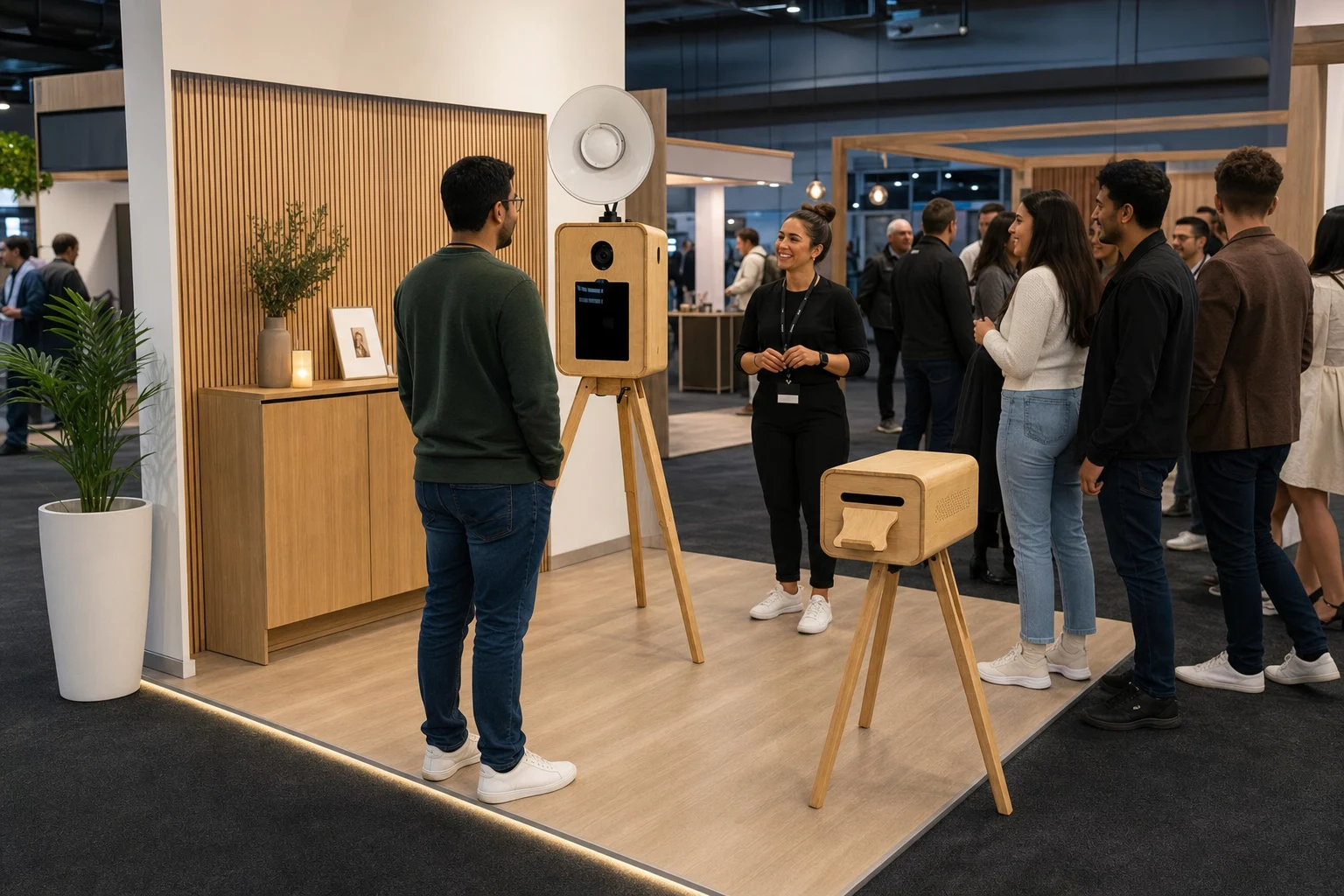
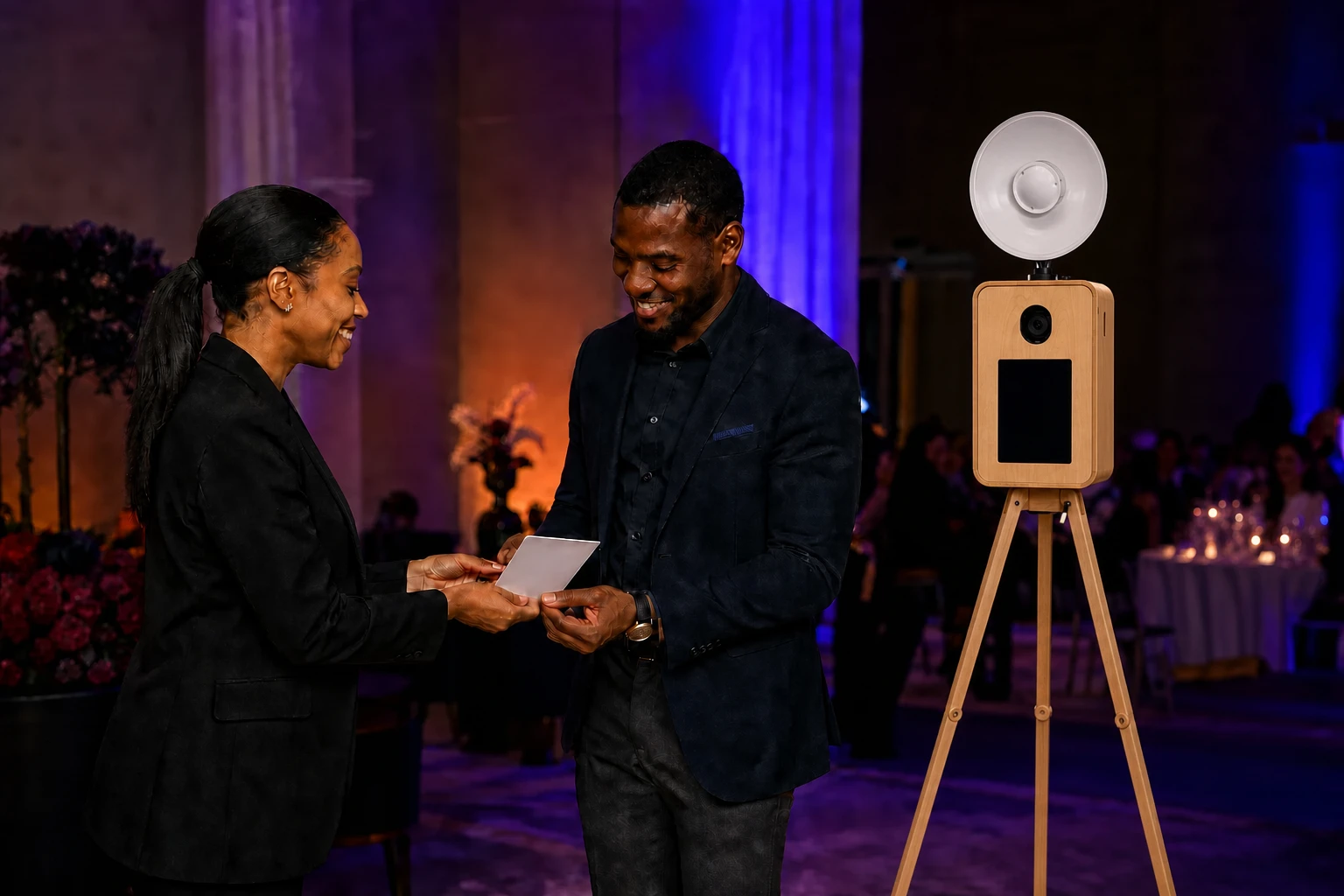
A content station or portrait experience can fit when a personal visual output suits the campaign. Confirm artwork, queue position, image use and any separate permission for public sharing. Count approved assets only if the organiser has a reliable way to record that outcome.
Invite an agreed next step
A demo request, trial registration or optional follow-up route can make the event easier to continue after guests leave. Explain the benefit, name the data owner and collect only what is needed for that next step. Define how the responsible team will follow up with people who have appropriately opted in.
These are planning choices, not package promises. Pick one signal before the event and agree how it will be recorded. A crowded station can look busy without showing that guests understood the offer or wanted to hear from the team.
Choose the right level of participation
Not every guest wants to perform, compete or share publicly. A useful launch programme offers a clear invitation and lets people understand what joining involves. Consider three levels:
- Watch: a demonstration, reveal or short presentation lets guests learn before they decide whether to join.
- Try: a guided product interaction or hosted station gives guests a direct experience with a clear end point.
- Contribute: a conversation, response, image or optional registration asks guests to add something to the campaign.
The more a format asks of guests, the clearer its value and instructions need to be. If an activity involves images, guest details or public sharing, explain each choice in plain language and keep optional marketing permission separate from the basic participation. The AI activation privacy and consent guide sets out the planning questions for image use and follow-up.
Place the interaction in the event flow
Decide when the activity should happen before deciding where it goes. An arrival interaction can help guests settle in, but it should not compete with registration. A demonstration may need a protected programme moment. A drop-in experience can work during a break if it does not obstruct catering, access routes or the next session.
Sketch the room as a guest would move through it: entrance, main product moment, activity, conversation area and exit. Then check the real venue plan with the team. Ask:
- Can a guest understand the invitation before joining?
- Can a person watch without blocking someone already taking part?
- Does the activity leave room for guests to exit, continue a conversation or reach the next programme point?
- Who notices a queue, answers questions and adjusts the flow?
- What is the fallback if the demonstration, sample or digital element is unavailable?
For launches that sit inside an exhibition or high-traffic programme, the expo and product launch planning guide covers the different flow pressures to plan for. The event brief should still confirm the actual venue, access, technical setup and operating window; do not rely on a generic floor-plan assumption.
Make the follow-up proportionate
An activity does not need a lead form to be useful. Sometimes the right outcome is a better product question, a completed trial or an approved asset. If the campaign does need a follow-up, explain what the guest will receive, name who owns the response and collect only what is needed for that purpose.
Keep participation, image delivery and future marketing as separate decisions. A person who tries a product or receives an event output has not automatically agreed to later promotional contact. The organiser should approve the wording, data handling and handoff before the event team invites guests to take part.
Brief the activity in one page
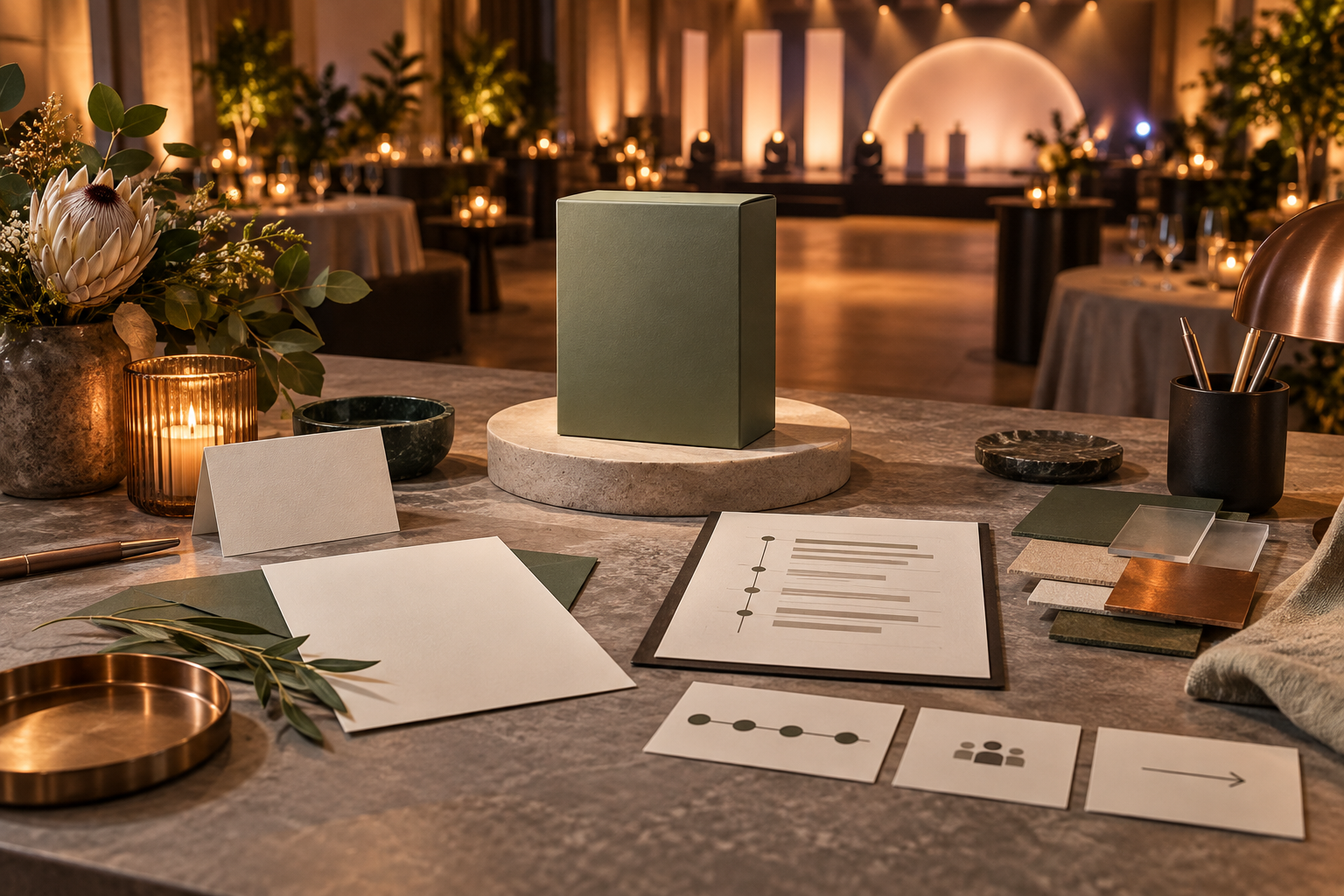
Give the venue, product team, host and suppliers the same short brief. Include:
- the campaign goal and the guest behaviour the activity should support;
- the audience and any product claims or demonstrations that need approval;
- the activity format, programme window and fallback;
- the room location, access, queue plan and named host;
- any sample, screen, artwork, image-use or content requirements;
- the one signal the team will record and who owns that record; and
- the exact follow-up route, including any optional permission wording.
If a branded portrait experience genuinely supports the visual idea, review the AI photo booth brand activation service as one possible format and confirm the event-specific scope in the brief. It should earn its place by supporting the product story, not by being added as a default activity.
The best product launch activity is easy to explain, fits the room and gives the guest a worthwhile role. Decide the campaign job first, then confirm timing, flow, approvals and follow-up with the people who will run it. To discuss a suitable activation for your launch, send AI Booth the event brief.