Start with one accountable brief
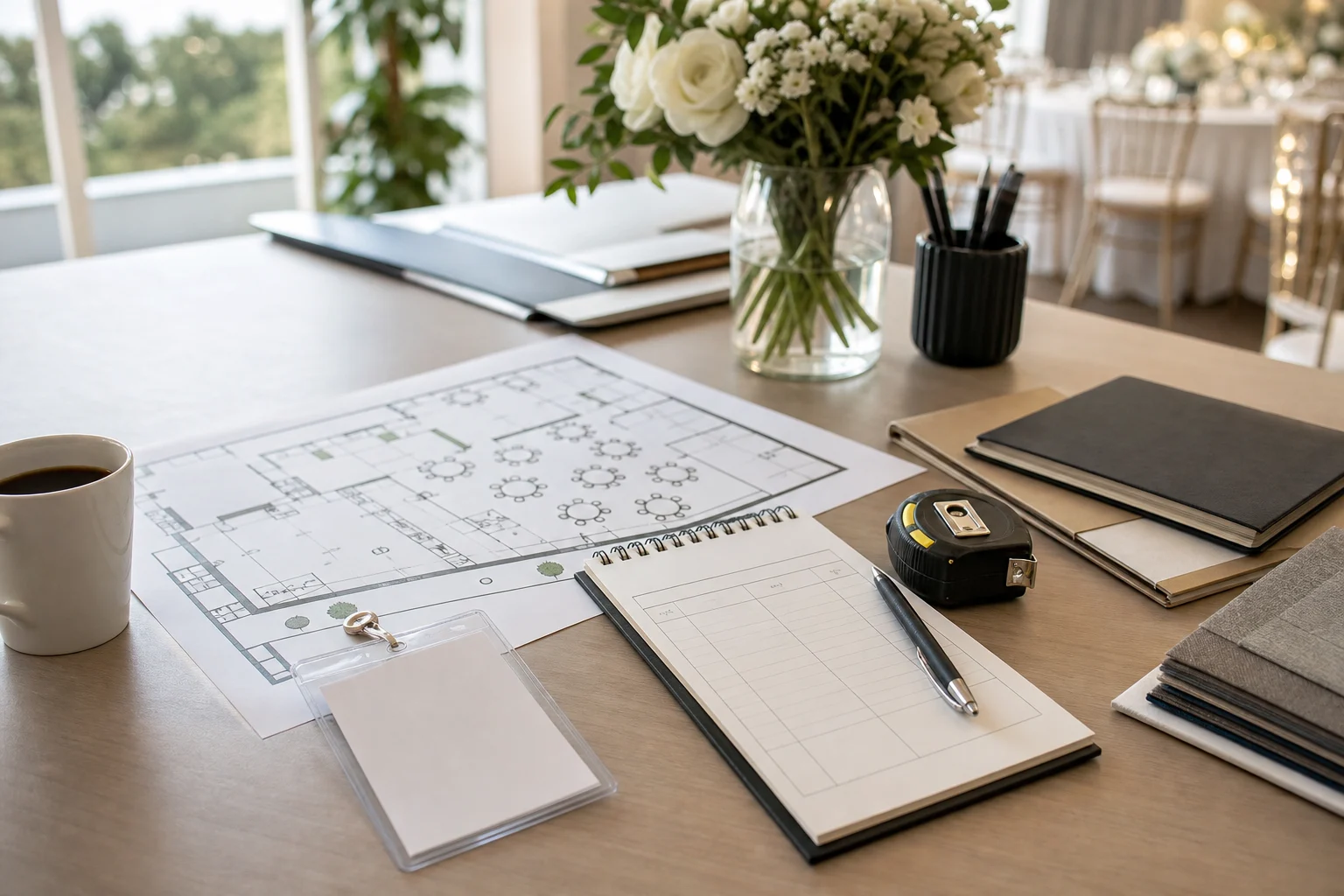
The event manager should own a single written brief, even when procurement, brand, venue and privacy teams contribute. It does not need to be a formal deck. A clear email, draft programme and marked-up floor plan are enough to begin.
Record the date, venue, guest estimate, event objective, preferred operating window, output choice and whether a standard or custom style is required. Add the decision the booth is meant to support: networking, staff celebration, client hospitality, campaign participation or a take-home portrait.
Suggested owner-and-deadline checklist
The timings below are relative, not fixed supplier lead times. Agree actual dates for the event.
| Task | Suggested owner | Deadline to set |
|---|---|---|
| Confirm objective, guest estimate and draft programme | Event lead | Before requesting the final scope |
| Issue supplier onboarding requirements | Procurement | Before the organisation’s PO cut-off |
| Share floor plan, loading route and access window | Venue contact | Before the setup plan is finalised |
| Supply approved brand assets and wording | Brand manager | Before style and print proofing begins |
| Approve style menu and 4x6 output | Named brand approver | Before production lock-off |
| Approve data and consent journey | Privacy or legal owner | Before any guest-facing form is built |
| Confirm run sheet and escalation contacts | Event lead and supplier | Before event day |
| Confirm post-event recipient and permitted use | Event and privacy owners | Before delivery |
Custom-style lead times and revision allowances depend on the brief. Put the agreed dates in the project email or production schedule instead of relying on an assumed standard.
Venue and technical handoff
Ask the venue for supplier arrival instructions, loading-bay or parking details, security sign-in, stairs or lifts and any long internal route. Mark the proposed booth and queue on the floor plan, keeping registration, bars, catering, service doors and emergency routes clear.
Confirm practical power access and any venue technical approval. Exact load, cable and footprint requirements must come from the event-specific setup rather than an unverified web specification. If any part of the event is outdoors, name the weather fallback; a vague “we will move inside” is not useful when the indoor space has already been allocated.
Connectivity, digital delivery and any fallback should be agreed in the brief. Do not assume venue Wi-Fi is available to suppliers or suitable for the intended journey.
Creative approval
Keep the approval chain short. One brand approver should consolidate feedback from stakeholders and return a single decision.
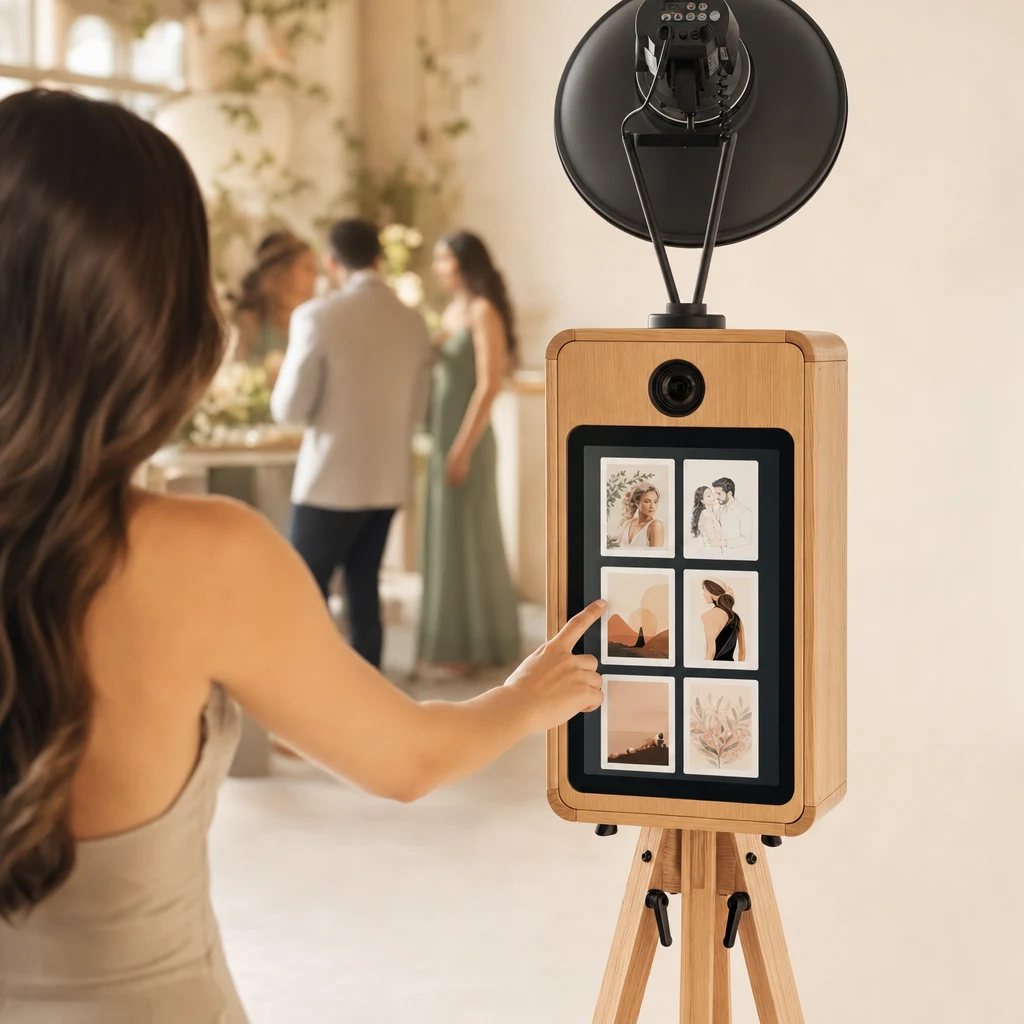
- Confirm the portrait style menu and the visual objective of each option.
- Supply current brand files, exact campaign wording and usage rules.
- Review the portrait treatment across varied people, not one ideal test image.
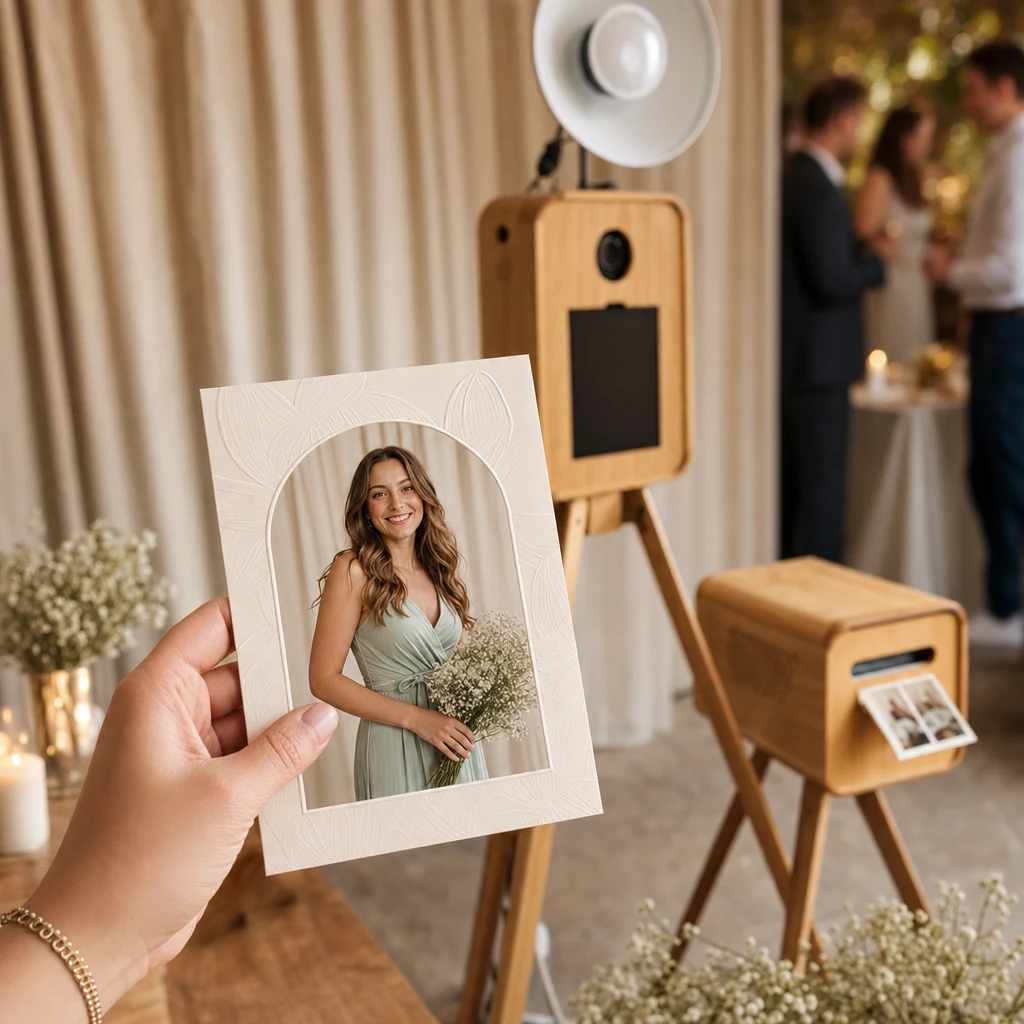
- Check the 4x6 layout at actual size for legibility and logo restraint.
- Record what happens if an output is unsuitable.
- Lock the approved version and identify who may authorise a change on event day.
The branded AI portrait guide gives brand and privacy teams a fuller approval sequence.
Programme and guest flow
Highlight registration, tea, lunch, speeches, awards, dinner, entertainment and transport waves. Those transitions shape demand more than total guest count alone. Decide when the booth should be actively promoted, remain available quietly or pause for formalities.
Use the guest-flow formula and queue guide to model interest and repeat visits without inventing a sessions-per-hour rate. Ensure guests can see the style choices before their turn, and separate the taking, waiting and print-collection positions where the venue allows.
The booth host needs the final run sheet and one event contact who can make decisions. A WhatsApp group containing twelve observers is not a substitute for an accountable floor lead.
POPIA and data handoff
Name the organisation’s privacy owner. Before event day, confirm what guest data is collected, the purpose, the processing providers, whether a gallery is public or restricted, how long material is retained and where questions or deletion requests are sent. Obtain separate permission for marketing follow-up or reuse of portraits where required; portrait delivery should not conceal an unrelated opt-in.
If children may participate, or if the activation is open to the public, ask the privacy or legal team to approve the participation process. Do not ask the event host to improvise policy at the booth.
Procurement questions
The quote or contract should be the source for VAT status, payment terms, deposit requirements, cancellation or postponement terms, overtime conditions and supplier documentation. Confirm any insurance or venue onboarding requirements directly. None of these should be inferred from package copy.
Ask who can approve additional time and whether a purchase order or written authorisation is required. Additional time is R1,000 per hour when available, but availability and the approval route should be settled before a delayed programme creates pressure.
Contingency check
Walk through late supplier access, a shifted floor position, a programme overrun, severe weather, changed connectivity and a temporary technical interruption. Record the responsible person and the practical response for each. Only claim backup equipment or a guaranteed turnaround when that capability has been documented for the booking.
Post-event closeout
Confirm the recipient, delivery method, any agreed delivery timing and the permitted use of outputs. Keep consented campaign follow-up separate from ordinary portrait delivery. If reporting is required, list only the fields the agreed setup can collect.
After the event, note which styles guests chose, where demand peaked and what caused friction. That evidence is more useful for the next booking than a broad claim that the activation “performed well”.
Send the completed brief with the corporate AI photo booth enquiry. For programme examples across conferences, awards and client events, read the Gauteng corporate event guide.