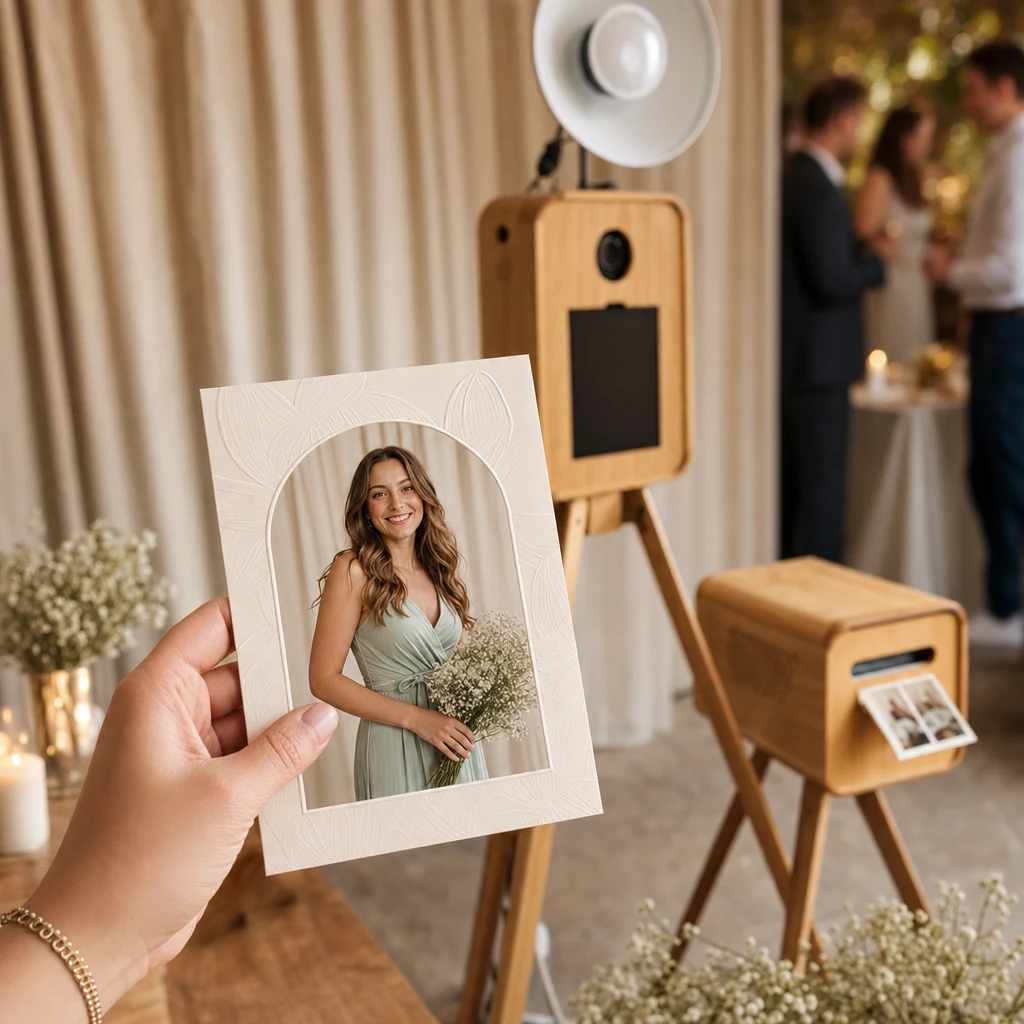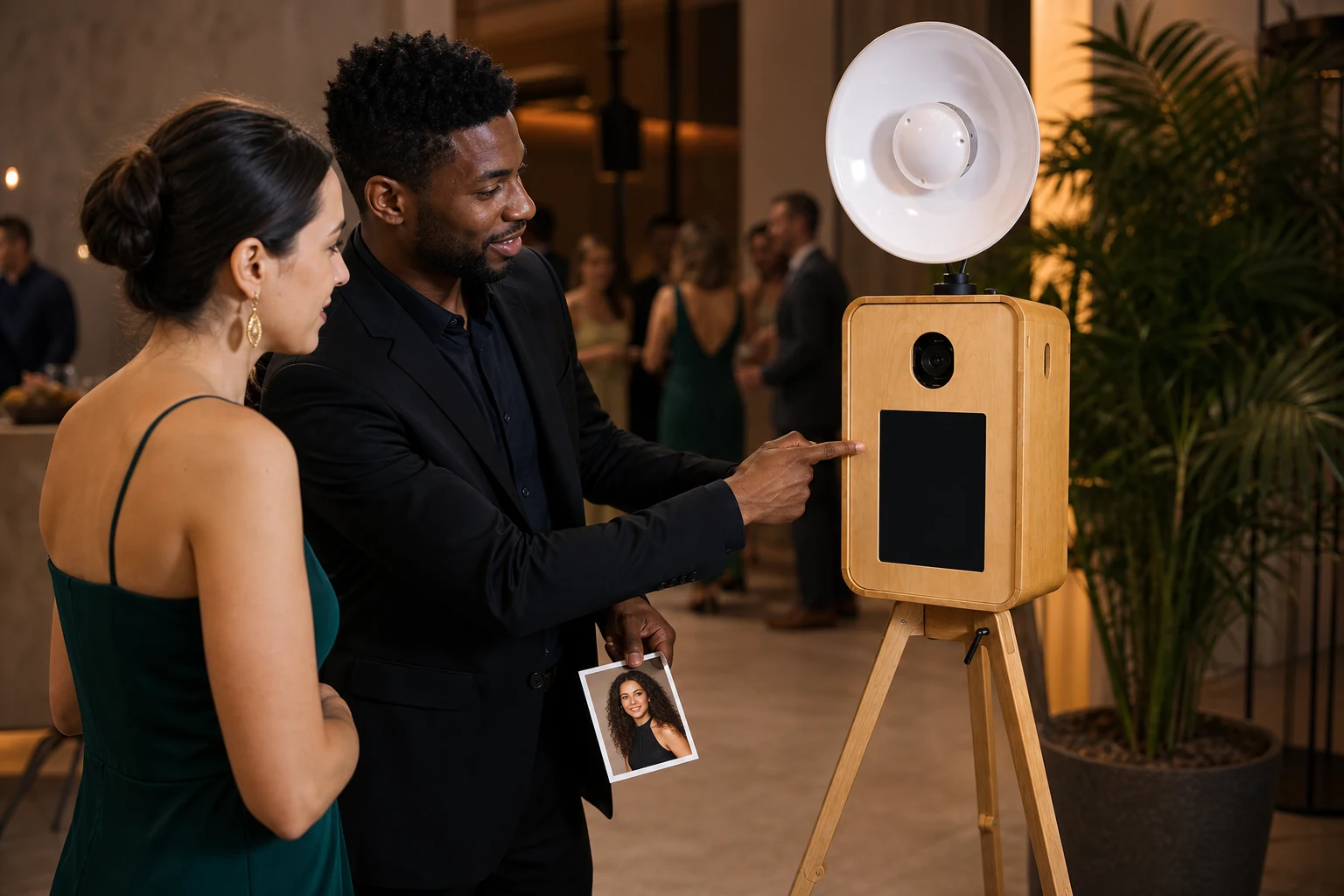
An AI photo activation is not simply a booth placed on a stand. It is a small production system: a campaign idea becomes a set of approved portrait styles, guests move through a hosted experience, and finished images leave the event in a controlled format. The simplest way to plan it is in three phases.
Before the event: turn the brief into a guest experience
Start with the job the activation must do. Is it there to attract expo traffic, reward invited guests, make a product world tangible or create a branded keepsake? That answer should shape the portrait, not merely the logo placed beneath it.
Next, define the exchange in plain language. A guest chooses a style, has a photograph taken and receives a transformed portrait. If the campaign also wants competition entries, contact details or marketing permission, treat that as a separate journey. The privacy and consent guide explains why combining everything into one compulsory tick box is a poor guest experience.
The creative handoff should include:
- the campaign objective and intended audience;
- approved brand assets, colours and exclusions;
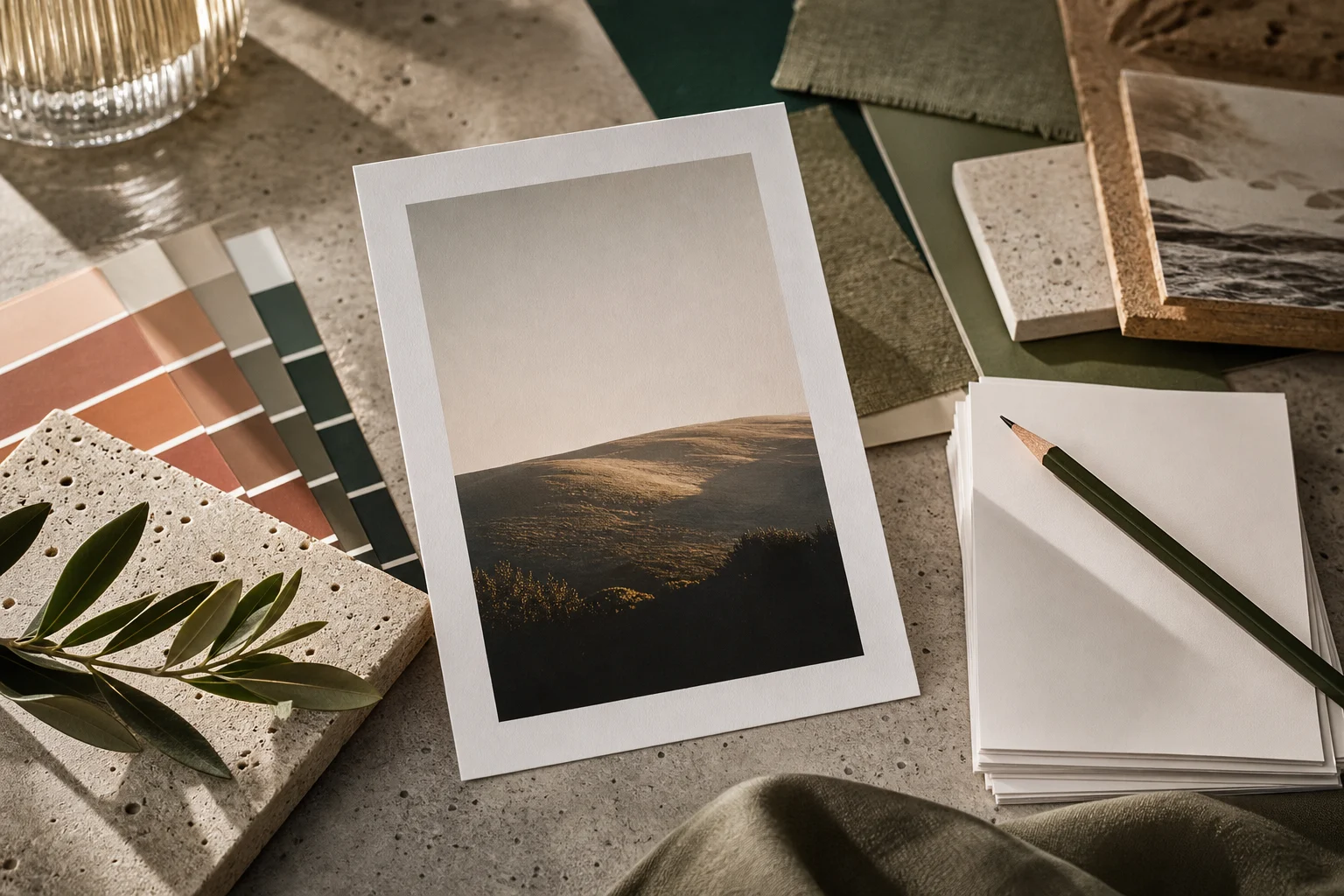
- reference images for mood, wardrobe, setting and finish;
- the intended print and digital layouts;
- who may approve creative work and who gives final sign-off;
- any representation, cultural or accessibility concerns that need testing.
A campaign-specific custom AI style starts at R750, with the final amount depending on the brief. Development timing and revision stages are agreed for each project; they should not be left until event week. Test proposed styles on varied faces, skin tones, hair, clothing and glasses. A style that works on one ideal sample is not ready for a public audience.
Production planning happens alongside creative development. The organiser and venue need to agree access, practical power, booth position, guest and queue space, operating window and connectivity or delivery requirements. Exact dimensions and technical dependencies are confirmed against the venue plan rather than guessed in a generic article.
During the event: make each step obvious
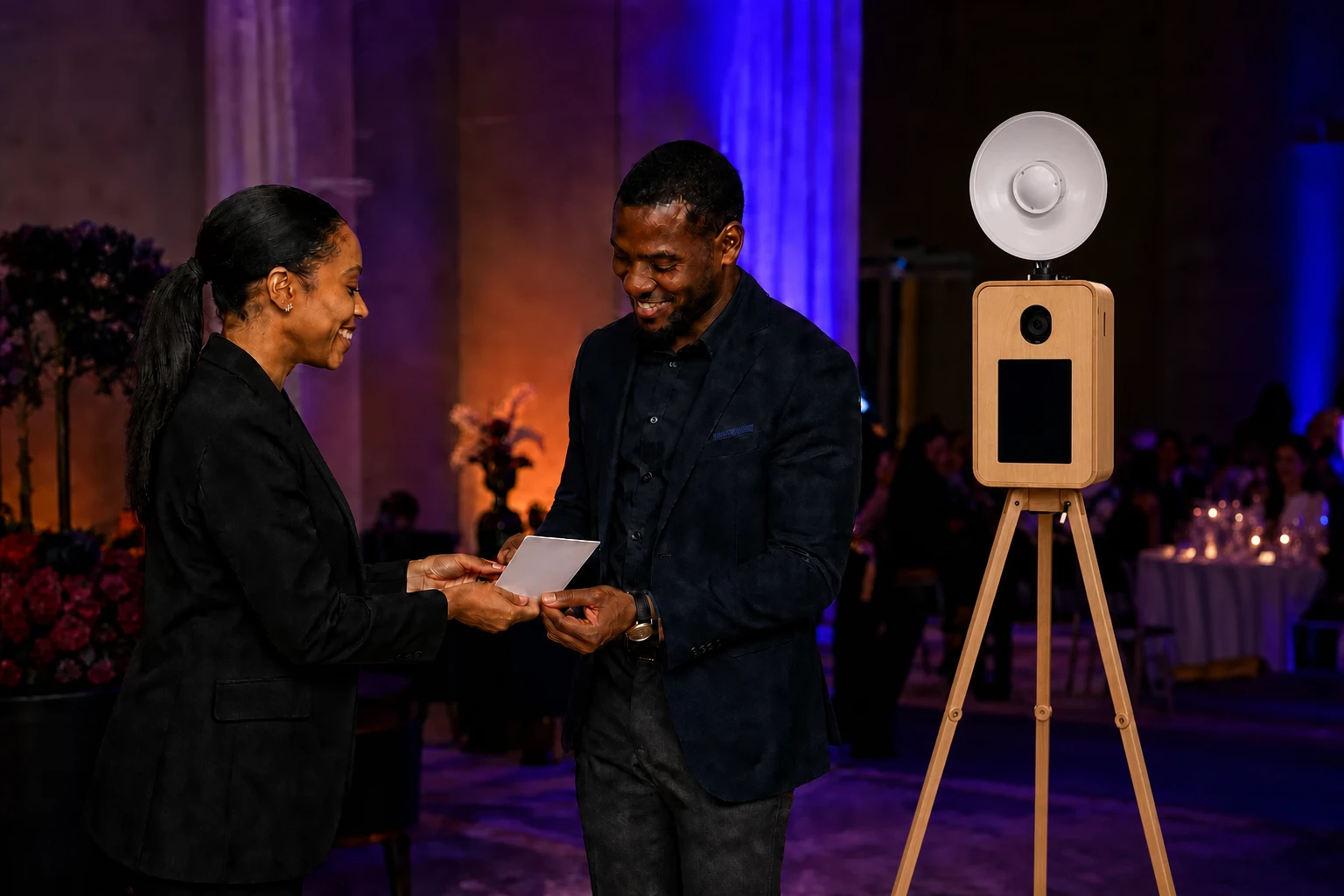
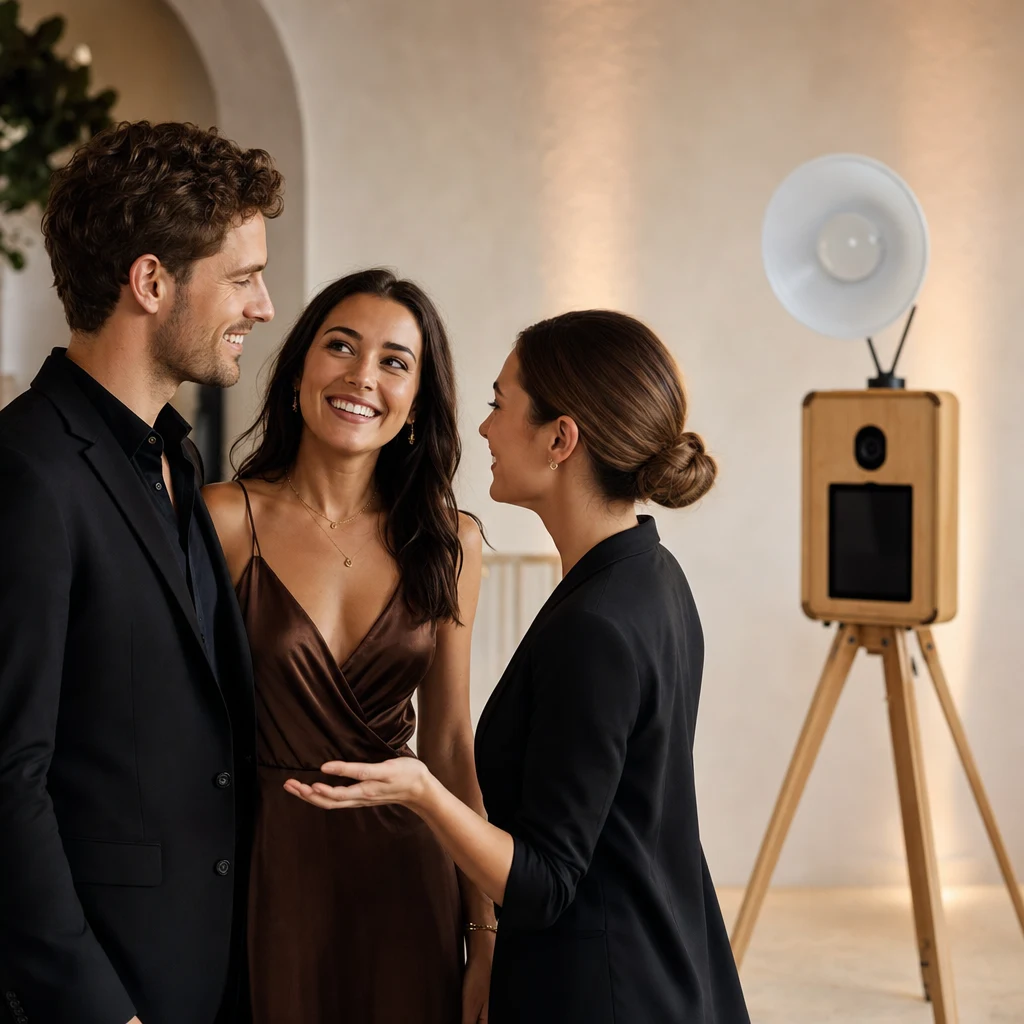
The host is the link between the creative idea and a smooth live experience. A guest should be able to understand the offer from the screen, a sample portrait and one short explanation.
The live journey is:
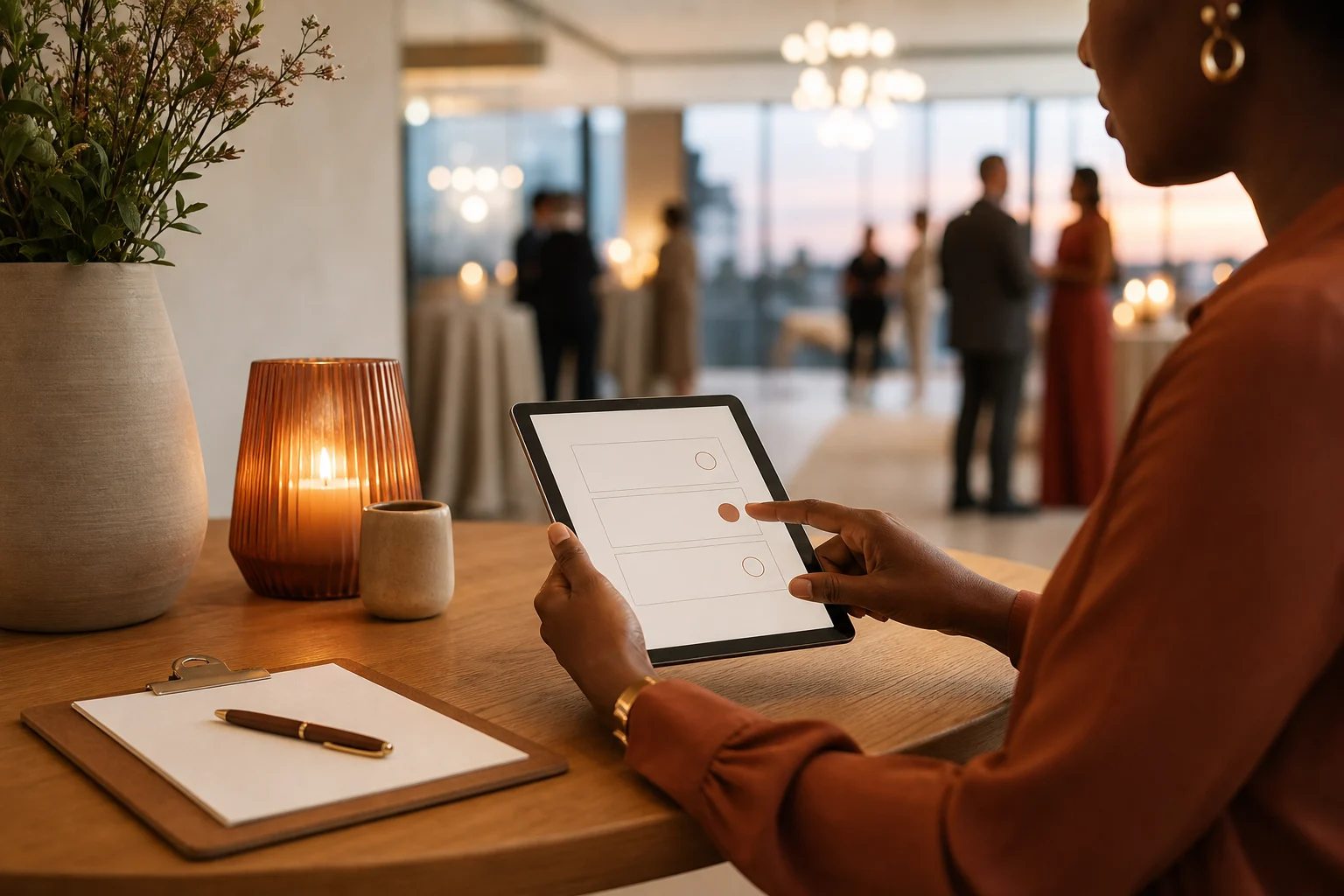
- Choose a direction. The guest uses the front screen to select from the approved portrait styles.
- Take the portrait. The guest faces the camera above the portrait-oriented front screen while the host helps with position and expression.
- Create the transformation. The captured photograph is processed using the selected direction.
- Review and deliver. The guest moves to the larger screen on the rear of the booth to review the completed result. The agreed setup may then provide a portrait-format 4 x 6 inch print, digital delivery or both.
Queue planning should account for all four stages, not only the camera moment. Style choice, generation, printing and collection each affect flow. AI Booth does not publish a universal sessions-per-hour promise because event layouts, guest decisions and approved styles vary. For larger activations, agree how the host will close or pause the queue before speeches, venue shutdown or the end of the booked period.
Accessibility belongs in the live plan. Keep the route free of loose obstacles, allow a guest to approach without having to step onto a platform, use readable instructions and provide staff help without taking over the choice. Confirm the final layout with the venue if wheelchair turning space, seating or another adjustment is required.
Have named contacts for creative questions, venue operations and data concerns. If an output fails or a guest dislikes a result, the host needs an agreed escalation path rather than an improvised promise. Any fallback process should be documented in the event brief.
After the event: close the loop
The post-event handoff should be agreed before doors open. Confirm which files or reporting fields will be supplied, who receives them and how any personal data is handled. Do not assume that a public gallery, long-term storage or a particular deletion timeframe is included unless it appears in the approved brief.
Review useful operational evidence: which styles guests chose, where the explanation caused confusion, when queues formed and whether the printed or digital output supported the campaign goal. Only report data the agreed setup actually collected. A short, honest debrief is more useful than an inflated engagement figure.
For the service format, pricing context and creative scope, see AI photo booth brand activations. If the event is an exhibition or launch, use the separate expo and product launch checklist because those environments need different traffic plans.