Cocktail hour
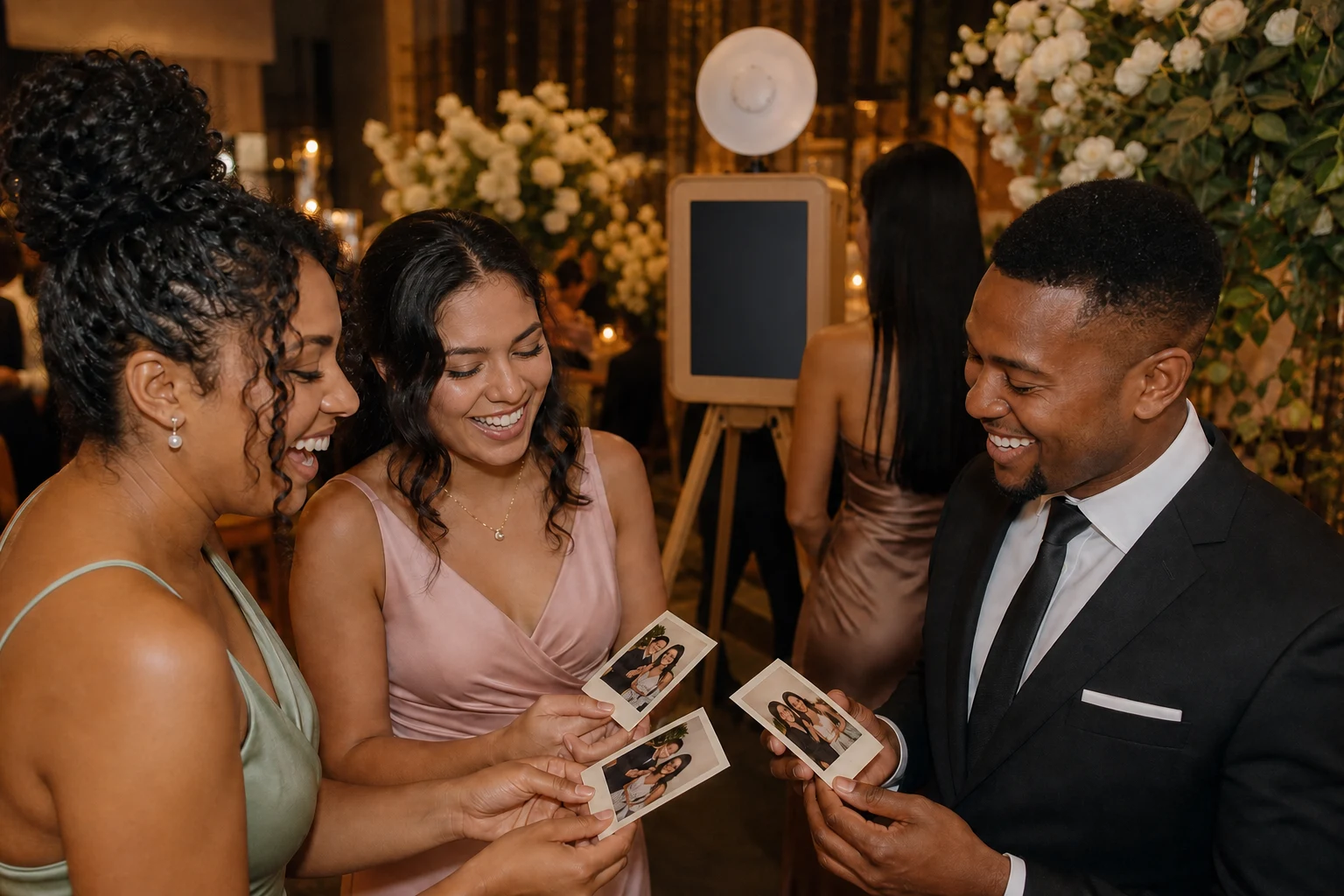
Cocktail hour solves a real problem: the couple and bridal party may be away, while guests need a comfortable way to spend the gap before the reception.
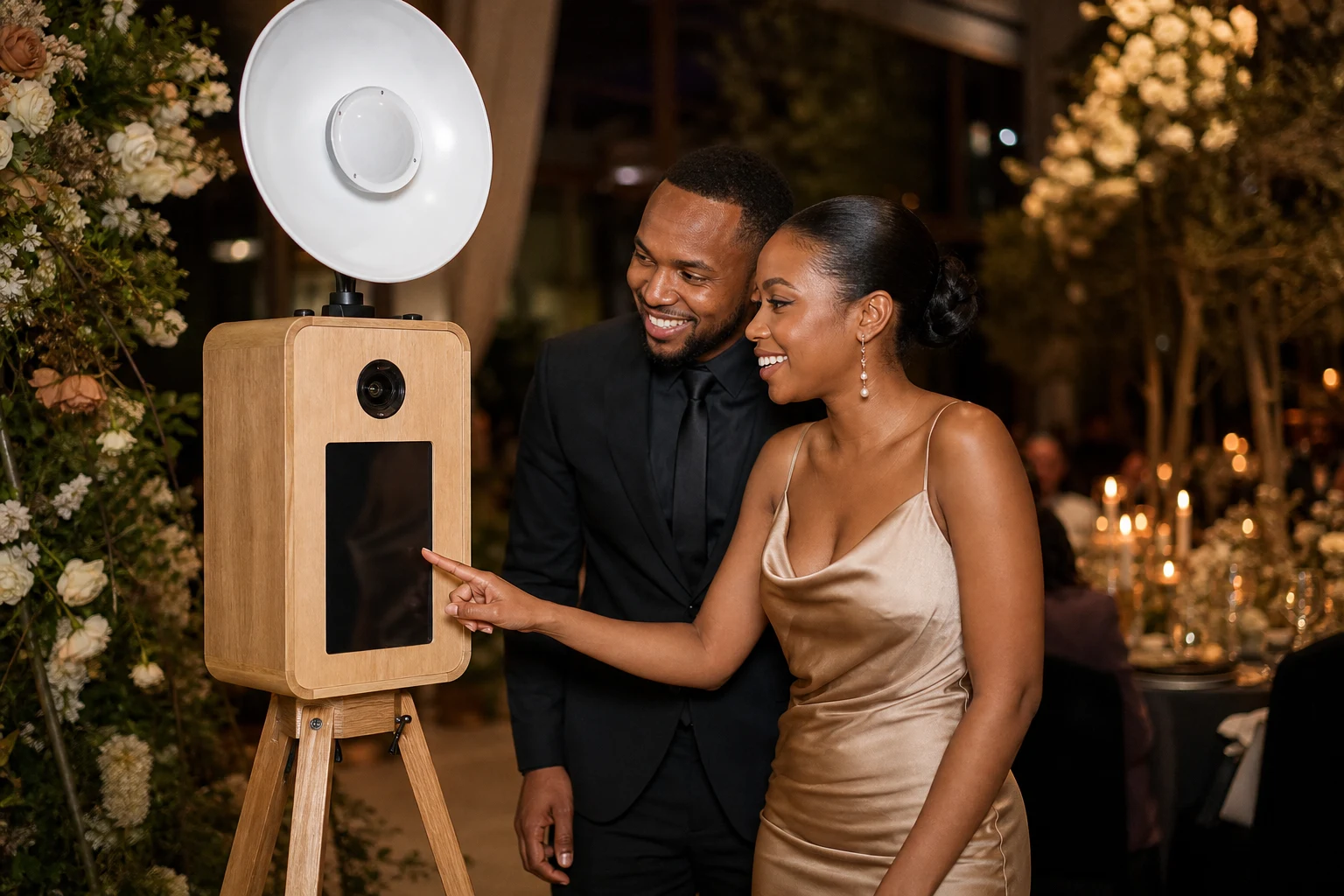
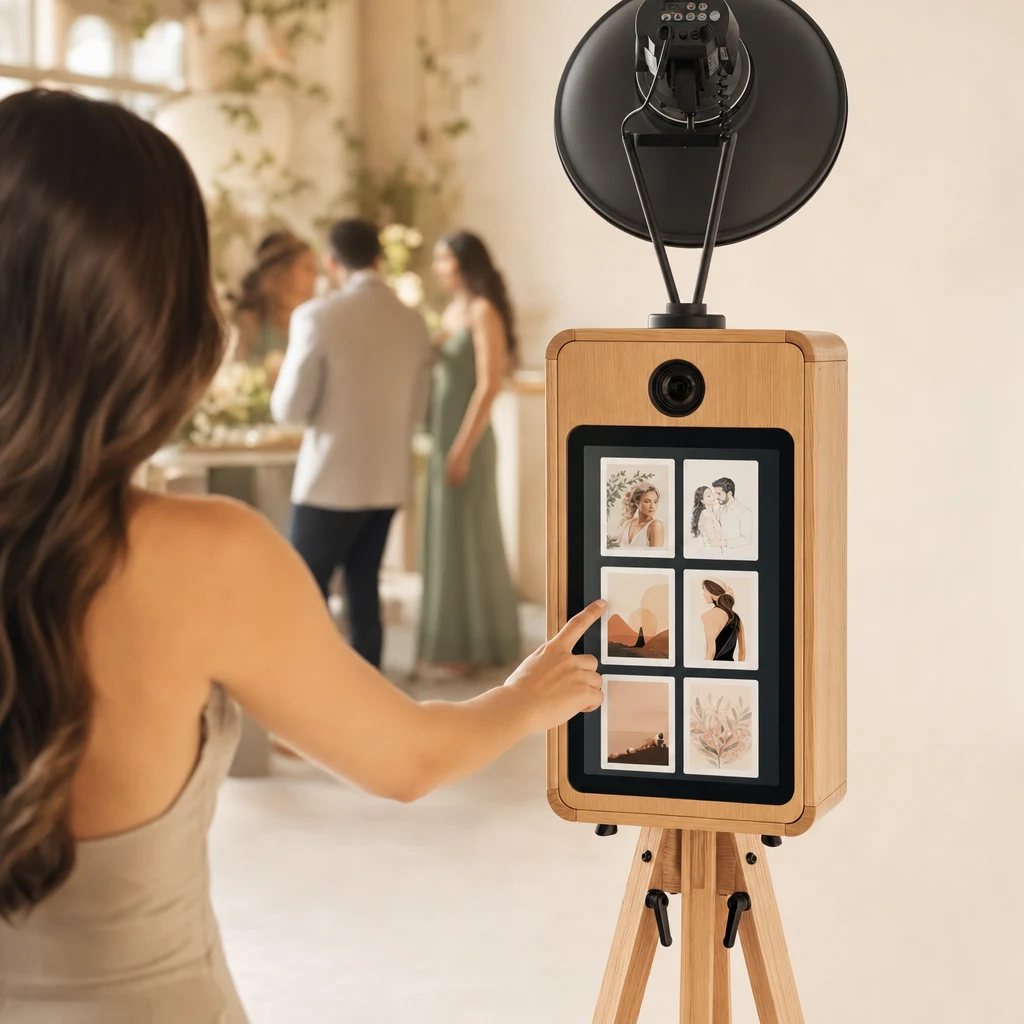
The booth works here when it is close enough to the drinks and social area to be noticed. A two-hour package can cover this period and the start of the reception, or close before guests are seated.
The drawback is arrival pressure. If the ceremony runs late or the booth is far from the cocktail area, the useful window becomes shorter.
Cocktail hour is strongest when guests remain in one obvious social zone. It is weaker when the bar, canapes and lawn games pull people in different directions, or when the couple has arranged a long receiving line. At Gauteng venues with gardens and separate reception halls, ask whether the booth can remain sheltered without becoming invisible.
After dinner
Opening after dinner gives guests time to settle first. The booth then becomes part of the evening entertainment rather than an arrival activity.
This timing suits three-hour bookings well. People can visit before the dance floor fills, return later with friends and still have time to collect prints without a rush at closing.
It also gives older guests and families a chance before the music becomes louder. If accessibility is important, keep the route level and uncluttered, and make sure seating is available nearby without turning the booth queue into a seated waiting area.
Immediately after formalities
The strongest signal is movement. Once speeches, cake cutting or first dances are complete, the room relaxes. Guests stand, change tables and look for what comes next.
Opening into that moment makes the booth easy to discover. It also avoids competing with the photographer during key formal events.
Times to avoid
Do not make the booth’s main opening window overlap with:
- speeches or presentations
- plated meal service
- the couple’s entrance
- the first dance
- a venue room change
It may remain physically available, but demand will stall and then return all at once.
Compare the three common openings
| Opening point | Best when | Main risk |
|---|---|---|
| Cocktail hour | The couple is away for photographs and guests need a natural activity | A late ceremony or outdoor weather change shortens the window |
| After dinner | Guests should settle before entertainment starts | A long meal can push the opening later than expected |
| After formalities | The first dance or final speech creates a clear release into the party | Several activities may launch at once and split attention |
The right answer can be a blended window rather than one dramatic opening. For example, the booth may serve cocktails and continue briefly as guests enter the reception, or it may open after dinner and stay available through the early dance floor.
An illustrative Johannesburg reception
This example is a planning aid, not a promised run sheet:
| Time | What guests are doing | Booth decision |
|---|---|---|
| 15:00 | Ceremony | Closed; attention belongs on the ceremony |
| 16:00 | Cocktails while couple takes photographs | Strong opening option if setup is nearby and sheltered |
| 17:30 | Guests move into reception | Allow the transition to happen cleanly |
| 18:00 | Dinner and speeches | Do not rely on this as productive booth time |
| 20:30 | First dance finishes | Strong second opening option |
| 23:00 | Transport begins leaving in waves | Make closing time visible to remaining guests |
If a summer storm forces cocktails inside, the venue may need the planned booth corner for guests or service. Agree on an indoor fallback rather than trying to solve it after the ceremony. Winter weddings bring a different issue: guests often move indoors quickly after sunset, so a booth left on a cold terrace can disappear from the social flow.
Ask the venue how guests move
Floor plans do not always show how a venue operates. Ask where guests wait during photographs, which doors open after dinner and whether the bar draws people away from the main room.
Then position the booth in that path without blocking it. The guide to photo booth space requirements can help with the floor plan.
Ask the coordinator five practical questions:
- Where are guests physically waiting while the couple takes photographs?
- When will speeches, food service and first dances hold everyone’s attention?
- Which route connects the bar, toilets, reception room and transport pickup?
- What changes if rain or wind closes the outdoor plan?
- When do older guests and the first shuttles usually leave?
Those answers are often more useful than the printed timeline. Once the opening is clear, use the wedding photo booth hours guide to choose a duration that gives guests a realistic second chance.
When requesting wedding photo booth hire, include the draft run sheet. Even an unfinished version is enough to spot the best window.